
Naperville Integrated Wellness
NAPERVILLE'S TOP RATED LOCAL® FUNCTIONAL MEDICINE FACILITY

Seasonal Allergies
It is the start of allergy season again and many of you with seasonal allergies are starting take antihistamines again. I suffered with seasonal allergies for many years until I discovered what was causing my symptoms. My allergies were the worst in summer and early fall because grasses and ragweed caused most of my allergy symptoms. I have since discovered what was pushing my immune system over the edge and I am pleased to say that I have not needed antihistamines for many years now.
If you suffer from seasonal allergies then this article is for you. Let’s start by looking at what an allergy is. An allergy is really just an inappropriate response to the environment…pollen, mold, pet dander, dust mites, etc. It is an inappropriate response because your immune system should not be launching such an intense attack against these harmless substances. One way your immune system responds to these harmless substances is to release histamine. Histamine is also released when your immune system is fighting an infection; like the common cold. Histamine is part of an appropriate immune response when such a response is called for. In the case of seasonal allergies it is excessive and inappropriate.
So why is the immune system overreacting to environmental allergens? I think the best way to look at this problem is to consider allergen load; this means how many different allergens and much quantity of allergen is your immune system forced to deal with. Your immune system is constantly exposed to substances that “push it buttons” so to speak; and the more you push the immune system, the more likely it is to overreact; the result being allergy symptoms. In my case, I found that if I was exposed to grass or ragweed and if I was also consuming dairy products and fruits like melons then I suffered with seasonal allergies. Did you catch that? I only suffered with allergies if I ate foods I was sensitive to and exposed to pollen at the same time. If I mixed the two then it overloaded my immune system and I was a sneezing, watery eyed, runny nose disaster! Now, these foods were not food allergies; they did not come up on allergy testing but they did come up on food sensitivity testing.
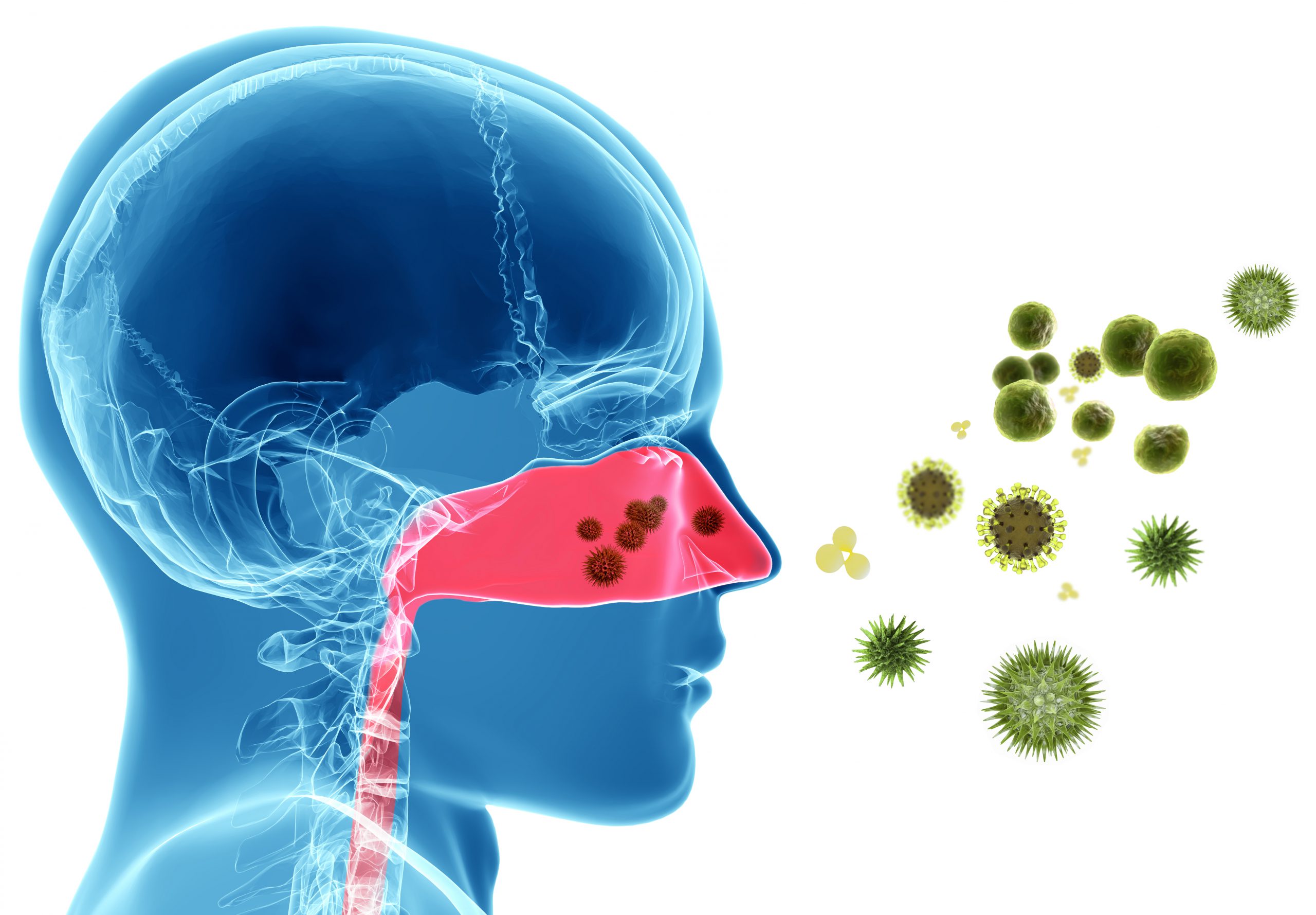
You might be wondering HOW foods can contribute to allergy symptoms. One explanation is really quite simple. The immune system of your gut belongs to a part of the immune system called MALT (mucosa-associated lymphoid tissue). Your MALT system includes parts of your body like the oral and nasal passages, throat, lungs, eyes, skin and digestive tract. So this means that lymphoid (immune) tissue is in found in all of these areas of your body and communicate to each other! MALT plays a key role in regulating mucosal immunity. According the Journal of Toxicologic Pathology; “The mucosa-associated lymphoid tissue (MALT) initiates immune responses to specific antigens encountered along all mucosal surfaces.”
This means that if you are allergic to pollen and it is triggering a response in your eyes and nose and then you are also eating foods you are sensitive to and triggering an immune response in your gut, then all of these tissues are going to respond; and the “load” is too much and your immune system overreacts…allergy symptoms appear.
I have experienced this firsthand. I know that I can have melon in the spring or winter without any allergy problems. If however, I eat melon in the summer when grass and ragweed pollen are high; I will have allergy symptoms. It simply pushes my immune system too far. I can’t control pollen counts; but I can control the food I put in my mouth.
This also explains why dietary changes can help people with asthma and skin problems like eczema… the lungs and skin are part of the MALT system. From a functional medicine perspective, addressing digestion problems and identifying food allergies and food sensitivities is very important when working with allergies. Some people only have allergies at certain times of year while others seem to suffer year-round. The underlying mechanism is the same in both cases; what is the total load on the immune system. Making dietary changes alone helps many people, but some may require more extensive balancing of their immune system and gut restoration in order to get their MALT working more appropriately.
If you would like more information on food allergy / food sensitivity testing and gut health, please contact our Naperville office.
If you would like more information about seasonal allergies, food allergy and food sensitivity, functional medicine or Dr. Sexton go to napervilleintegratedwellness.com
Do your own research, inform yourself and ask lots of questions. When collecting information you MUST consider the source. There is no shortage of false, misleading, outdated, profit-driven and utterly biased information in healthcare today; even from the most respected sources and organizations.