
Naperville Integrated Wellness
NAPERVILLE'S TOP RATED LOCAL® FUNCTIONAL MEDICINE FACILITY
Why is Perimenopause Ruining My Life?

And what can I do about it?
What is Perimenopause?
Let’s start with a discussion of terminology because this can seem a bit confusing at times. Our perimenopause specialist at Naperville Integrated Wellness is here to help.
Premenopause is any time from the start of a female’s first menstrual cycle and lasts until menopause, when a woman ceases having a menstrual period. A woman is transitioning to menopause in the period described as perimenopause. We will discuss this further in the next paragraph.
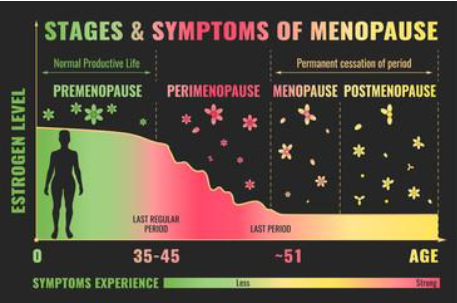
A woman in perimenopause is still premenopausal, so the periods technically overlap. Once a woman has ceased having her menses for one full year, she is then considered to be in post-menopause.
Perimenopause Specialist - Functional Medicine Solutions
A perimenopause specialist who practices functional medicine is a healthcare professional with expertise in functional medicine who focuses specifically on addressing the unique challenges and symptoms associated with perimenopause. These specialists take a holistic approach to perimenopause treatment, considering factors such as hormonal balance, nutritional support, stress management, gut health, and detoxification. They work closely with patients to develop personalized treatment plans that address the root causes of symptoms and promote overall well-being during this transitional phase of life.
The time frame called perimenopause can often begin by the ages between 40-44. But some women begin to experience symptoms in their late 30s. Physiologically, this is the time when a woman may begin having anovulatory cycles (no egg), extended or missed monthly menstrual flows, shortened cycles (more frequent periods), lighter or heavier menstrual flow cycles. This time frame can last from 3-6 years (average 4 years), but some women experience it only for a few months and others for as long as 10 years. What age does Perimenopause start?
How long does perimenopause last?
Perimenopause Symptoms and Early Signs
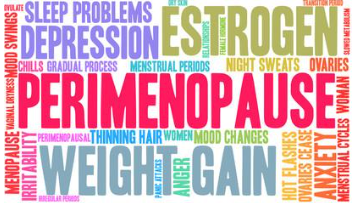
The following is a list of perimenopause symptoms & perimenopause signs, but these do not confirm a person is in perimenopause. It is important to address these symptoms with a competent medical professional so that you can get to the root cause of your symptoms.
- Hot Flashes
- Decreased libido
- Body aches and pain
- Fatigue
- Vaginal dryness
- Irregular menstruation
- Incontinency
- Weight gain
- Osteoporosis
- Anxiety
- Mood changes
- Headaches
- Night sweats
- Dry skin
- Sexual dysfunction
- Brain Fog
- Insomnia
- Period changes
- Breast tenderness
- Hair loss
- Trouble concentrating
- Changes in metabolism
If you happen to be experiencing any of the perimenopause symptoms above, we encourage you to reach out to our perimenopause specialist at Naperville Integrated Wellness. From early natural solutions for perimenopause to direction on perimenopause supplements, our facility in Naperville is here to help!
How is Perimenopause Diagnosed?
Sometimes it is very difficult to identify if a woman is in perimenopause. Age, symptoms, regularity of cycle, medical history, physical exam, and levels of certain hormones can help to identify if a woman has entered this phase of life. Many of the above listed symptoms may or may not be related to perimenopause but may certainly be impacted by hormonal changes that can occur at any stage of a woman’s reproductive life span. In fact, identifying and addressing the cause of any of the symptoms can go a long way in easing a woman’s transition to menopause.
Next, I will discuss some common concerns and their connection with perimenopause.
Perimenopause and Women's Health
Perimenopause and Fatigue
There are many factors to consider when discussing fatigue as a symptom because there are many causes. But this is just not any type of fatigue, this is the kind like you have never experienced before. You sleep 8 or more hours and wake up tired. You are so tired that you feel you are losing your memory, or your brain just feels foggy all the time. You just can’t get things done like you used to, or you are just too tired to care. You don’t have the time or energy to exercise. You can’t function without caffeine. If any of these symptoms sound like what you are experiencing, they may be signs of a hormone imbalance. This could be due to thyroid hormone, or the hormone insulin, or it could be due to excess estrogen and a deficiency in the hormone progesterone. In fact, it could be a combination of any and all of the hormones mentioned, and there are many more.
How Perimenopause Affects Sleep
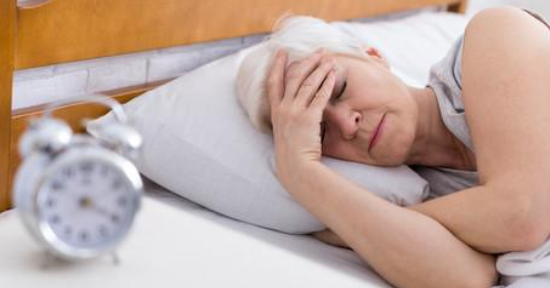
Some women in perimenopause experience impaired sleep. One reason for this may be due to the levels of estrogen circulating in the body. Too much estrogen can lead to insomnia; and inadequate sleep can lead to a host of other symptoms listed in the table above. Since many symptoms may exist simultaneously, it is often difficult to determine if one symptoms is causing another symptom.
Perimenopause and Stress
Perimenopause when combined with stressful living can have a deleterious effect on hormonal balance. Let’s take cortisol as an example. It is often referred to as the ‘stress hormone’. This hormone is made primarily in the adrenal glands. As we transition through to menopause our ovaries produce less of our estrogen and progesterone, and the adrenal glands take the lead in producing those hormones. When the adrenals are producing a high amount of cortisol, as in when we are in chronic stress, the production of estrogen and even more so, progesterone will be impacted. This may lead to estrogen dominance which can then create a self-perpetuating cycle that may affect our mental health (discussed in the next section).
How Perimenopause Affects Mental Health
Some women experience mental confusion, increased anger, agitation, oversensitivity, anxiety or depression during the phase of perimenopause. The balance of your steroid hormones can play a part in these symptoms. Testosterone in excess stimulates anger and aggression. Estrogen in excess leads to oversensitivity and passivity, mental confusion and agitation, whereas deficiency can cause depression. These symptoms are not caused by perimenopause but the balance of hormones can be easily shifted during this period by other lifestyle factors.
Perimenopause and Brain Health
The brain is the master switch that regulates hormone levels. The specific areas of the brain that control hormone levels are the hypothalamus and the pituitary gland. If the function of either of these is impaired, hormone levels can be affected. Factors that can affect proper functioning include genetics, aging, environmental and lifestyle.
Perimenopause and Weight Gain
Perimenopause weight gain is a common symptom. It is natural to a certain degree to gain some weight during this cycle of life; however we are not talking about obesity, here. A couple of pounds can be protective for women. This is because estrogen is made and stored in fat tissue. Women in perimenopause have ovaries that are declining in function and are slowing down in the production of estrogen. So, having a little more adipose (fat) tissue can be a good thing for extra estrogen production. An sufficient amount of estrogen protects us from osteoporosis, heart disease, stroke and dementia.
Weight Gain and Functional Medicine
Understandably, excess weight gain is often a significant concern for women in perimenopause. This can happen when a women eats to correct hormonal imbalances. It is common for a woman who feels brain fog, exhaustion and irritability to reach for the caffeine to stimulate the adrenals, or the sugar and simple carbohydrates to raise glucose and serotonin in the brain as these things do often accomplish the goal, in the short run. If done repeatedly along with other detrimental lifestyle habits, this can lead to an abnormal weight gain. Understanding your body and its cues can go a long way towards finding a healthy solution to this problem. For more information on weight gain and functional medicine, we recommend contacting us today to learn more!
Perimenopause Treatment
The functional medicine approach to perimenopause treatment focuses on addressing the root causes of symptoms by restoring hormonal balance through lifestyle modifications, nutritional support, and stress management techniques. Emphasizing a personalized approach, it considers individual factors such as gut health, detoxification support, and genetic predispositions. Collaboration with other healthcare providers ensures comprehensive care tailored to each woman's unique needs, aiming to optimize overall health and empower women to navigate perimenopause with resilience and vitality. Learn more from our perimenopause specialist on the types of treatment for perimenopause.
Perimenopause and Standard Medical Treatment
Perimenopause may not need treatment unless symptoms are bothersome. Traditional medicine treatment options include hormone therapy using estrogen or estrogen and progestins. Additionally, some symptoms are treated with antidepressants or other mood stabilizing drugs. These treatments do little to identify and treat the underlying cause of your symptoms. The medications prescribed often do little to impact symptoms and often create other symptoms to add to your existing ones.
Perimenopause and Functional Medicine Treatment
A functional medicine doctor takes a holistic approach to treating perimenopause, recognizing that each woman’s health is shaped by her unique combination of diet, lifestyle, biochemistry, and genetics. Rather than offering a one-size-fits-all solution, functional medicine seeks to identify and address the root causes of symptoms—many of which may stem from hormonal imbalances. These imbalances can be influenced by a range of factors, including environmental toxins, food choices and quality, chronic stress, sleep disturbances, liver function, medications, and more. Given this complexity, individualized care is essential for effectively navigating perimenopause.
How to Get Help with Perimenopause Symptoms
Step one is to find a perimenopause functional medicine doctor near you. At Naperville Integrated Wellness, we will take the time to understand all the factors that are affecting you and contributing to your symptoms. We will run blood labs and applicable functional perimenopausal testing to identify what is impacting your health. We will then create a custom program designed to balance your hormones, restore function, and optimize your health. We provide coaching, education, support, and accountability so that you can reach your health goals.
If you want to learn more about how functional medicine can help you to get your life back, reach out to Dr. Borkowski at NapervilleIntegratedWellness.com.
Schedule An Appointment with our Perimenopause Specialist Today
Step one is to find a perimenopause functional medicine doctor near you. At Naperville Integrated Wellness, we will take the time to understand all the factors that are affecting you and contributing to your symptoms. Our perimenopause specialist will run blood labs and applicable functional perimenopausal testing to identify what is impacting your health. We will then create a custom program designed to balance your hormones, restore function, and optimize your health. We provide coaching, education, support, and accountability so that you can reach your health goals.
If you want to learn more about how functional medicine can help you to get your life back, reach out to Dr. Borkowski at (63) 210-8391 or contact us today to schedule an appointment.
Engage in thorough research, empower yourself with knowledge, and don't hesitate to inquire extensively. Always scrutinize the sources when gathering information, as the healthcare landscape is rife with misinformation, outdated data, profit motives, and biases, often emanating from seemingly reputable outlets.
It's crucial to clarify that this healthcare approach doesn't aim to diagnose, treat, cure, mitigate, or prevent any ailment. This article serves informational purposes only and should not replace professional healthcare services. Feel free to reach out to our office for further information.