Naperville Integrated Wellness
NAPERVILLE'S TOP RATED LOCAL® FUNCTIONAL MEDICINE FACILITY

The Role Of Diet In Functional Medicine
What role does diet play in your health and how important is it…really? There are countless diets that claim to cure and prevent all manner of ailments today; there are weight-loss diets, anti-aging diets, heart-healthy diets, autoimmune diets… well, you get the idea. Obviously diet must play a role in one’s health, but why do so many Americans struggle with their food choices?
Most of us don’t need to be on a “special” diet but we certainly all need to follow a “good” diet. So what makes a diet “good” or “bad?” A good diet is one that  permits your body to carry out its vital functions and support health and at the same time does not put stress on the various systems of the body. This might sound obvious but you would be surprised how little people know about food and its impact on their health. A bad diet would be one that does not provide the necessary nutrition for the body to function the way that it should and in addition to this, places additional stress on the body. Let’s break this down into the two key factors just mentioned; #1 providing adequate nutrient value and #2 acting as a stressor on the body.
Nutrient Value; how important is it really?
The foods and liquids we consume should provide nutrients at a level required by the body to perform its necessary functions. Nutrients are substances like vitamins, minerals and proteins that are necessary for growth and the maintenance of life and health. Here is the point that most people don’t fully grasp…nutrients are not just helpful or beneficial; they are essential for health! If you expect to be healthy, nutrients are not optional! This is medical fact.
Now you might not think your body is suffering with a nutritional deficiency; but the fact of the matter is that most people are currently deficient is several nutrients. Some of the most common deficiencies we find in our office include vitamins A, C, E, D and several of the B vitamins. It is also not uncommon to find our patients low in magnesium, zinc, potassium and essential fatty acids. The point I’m trying to make here is that many people are walking around with multiple nutrient deficiencies and wonder why their bodies are not working properly. You simply must understand that these vital nutrients are not interchangeable and that they are required in proper amounts for a body to function the way that it should. Zinc does not do what vitamin C does and vitamin D does not do what magnesium does in the body…they all perform completely unique roles. So a healthy diet would be one that provides as many of these key nutrients as possible. Which leads directly into another common problem we often find today; many people don’t eat enough nutrient-dense foods. What are these foods? These would include vegetables (yeah, the green, red, yellow, purple and orange kind…not the American favorites like French fries and corn chips). Fruits, nuts and seeds can also be good choices for many people. Healthy protein and fat sources like wild-caught fish and organic or pasture-raised meats and eggs or also beneficial for most people. Have you noticed that these are all REAL FOOD? Real foods such as these contain the most nutrients and help to nourish and support health and thwart disease. Food can actually be defined as “any nutritious substance that people or animals eat or drink, or that plants absorb, in order to maintain life and growth.” Highly processed and “foods” of convenience are often lacking the nutrient diversity and density that your body requires. It has been estimated that 75% of Americans are not eating enough vegetables, fruits and beneficial fats and oils. The second mistake most people make with their diet is that they are actually eating in a manner that places stress on the body. Let’s look at how that can happen.
How can diet act as a stressor?
You may not have thought of diet as being a health-stressor but it is occurring in millions of Americans today. How can diet be a stressor? This happens when 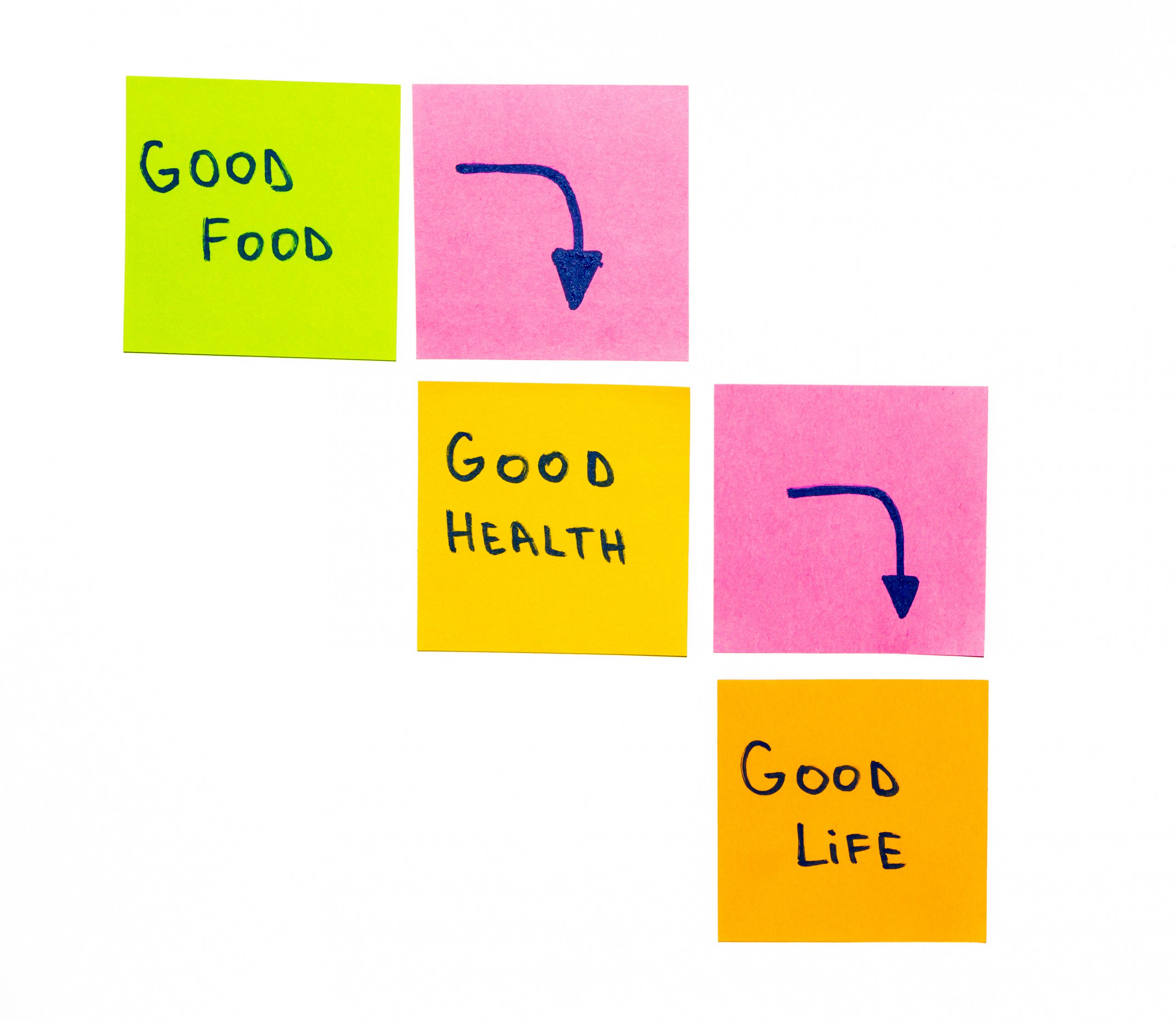 food places great demands on the various systems of the body. One common example of this is the impact of certain foods on blood sugar levels. Obesity, chronic inflammation, heart disease and diabetes can all be caused by blood sugar stress. Too many of us are eating foods that cause blood sugar to go too high, too often and this puts stress on the body. If this is permitted to continue, health fades and disease begins to take root. You have probably been told that eating lots of grains is part of a healthy diet. What you may not know is that grains causes blood sugar to go higher than any other food group! More than half of the population exceeds the recommended amount of grains in the diet yet fails to consume enough healthy proteins, fats, vegetables and fruits.
Another way poor diet can place stress on the body is by eating too many foods that are low in fiber. Fiber is required for normal bowel function, cardiovascular health and maintaining a healthy population of gut flora (the microorganisms living in your bowel). There has been a recent surge of interest in what are called prebiotics. Prebiotics are food ingredients that promote the growth of beneficial microorganism in the intestines. The point is that if you are eating a good diet that we have been describing, you don’t need to take a supplement to “feed” the organisms living in your gut! They should be getting what they need from your diet and should not require you to feed them a special “gut flora food.”
Another way diet can be a stressor is by simply eating too much food! Almost two-thirds of the adult population and one-third of all children in this county are overweight. Now we could get into all sorts debates about why this this is happening but the fact of the matter is that most people are consuming more food than their bodies can use. This acts as a stress on the body and contributes to all major chronic diseases. Obesity leads to imbalances in the body and brain which perpetuates the disease itself; obesity often leads to chronic obesity. It is my personal belief and clinical observation that when proper diet and nutrient needs are being met, the individual is actually less hungry, makes better food choices and loses excess body fat…the individual’s body begins to function properly again. Many people struggle with weight loss because their bodies are not getting the nutrients they need and the brain’s only solution is to eat more!
As you can see, diet simply cannot be ignored if improved health and vitality are your goals. Dietary supplements are not a substitute for a good diet and there are no medications that can counter the ill-effects of a bad diet. Proper diet has always played a pivotal role in maintaining health and it always will.
If you would like more information on proper diet, functional medicine or Dr. Sexton go to napervilleintegratedwellness.com or contact our Naperville office today!
Do your own research, inform yourself and ask lots of questions. When collecting information you MUST consider the source. There is no shortage of false, misleading, outdated, profit-driven and utterly biased information in healthcare today; even from the most respected sources.**