
Naperville Integrated Wellness
NAPERVILLE'S TOP RATED LOCAL® FUNCTIONAL MEDICINE FACILITY

SIBO Testing, Diet and Treatment
Part 1 of 2
If you reading this blog then you have probably heard of the digestive tract disorder called SIBO. While the term has become more popular recently, SIBO has been in the medical literature for quite some time now. SIBO stands for Small Intestinal Bacterial Overgrowth. This condition is actually quite common today and can cause all sorts of health problems: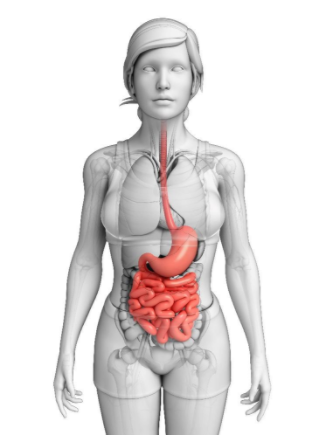
- Gas
- Intestine inflammation
- Bloating
- Stomach upset
- Nausea
- Diarrhea
- Fatigue
- Constipation
- Malabsorption of nutrients
WHAT IS SIBO?
SIBO is defined as having too many bacteria living in the small intestine (your small intestine is located between your stomach and large intestine). Under normal, healthy conditions there should not be more than approximately 1000 organisms/mL in the upper small intestine. With SIBO the bacterial population has exceeded 100,000 organisms/mL in the upper small intestine. Having 100x more bacteria than should be present obviously leads to health problems.
It is also important to know that it is not just a matter of too many bacteria, there is also the consideration of what type of bacteria are present. Certain bacteria can disrupt dietary fat and fat-soluble vitamin absorption. This can lead to deficiencies of vitamins A, K, D and E. These deficiencies can lead to compromised immunity, poor cardiovascular health and weak bones. A different class of bacterial overgrowth may interfere with normal carbohydrate metabolism and lead to gas and bloating. Unfortunately, the problems don’t stop there, certain bacteria can produce toxins that actually damage the small intestine, reduce total nutrient absorption and may mimic symptoms of celiac disease. SIBO can cause symptoms that may be similar to other digestive tract disorders like IBS, lactose intolerance, fructose intolerance, histamine intolerance, leaky gut syndrome and celiac disease.
ANTIBIOTICS?
Taking a functional medicine approach to SIBO is essential because the bacterial overgrowth and the reason this has occurred must both be addressed. SIBO may not be effectively treated with antibiotics alone (the traditional medicine approach) because this does address WHY the overpopulation of bacteria has occurred in the first place. Relying on antibiotics alone is not the best approach; according to medical journal, Gastroenterology & Hepatology; “…one (antibiotic treatment) trial demonstrated an average duration of symptom improvement of only 22 days which translates into a need for at least 12 courses (presuming 7 days) of antibiotics per year to provide persistent symptom relief.” Underlying causes need to be identified and addressed for the effective treatment of SIBO; antibiotics address the result of the dysfunction, not the underlying cause.
WHAT CAUSES SIBO?
SIBO occurs when the normal and healthy regulatory factors that keep small intestine bacteria populations under control are compromised. There is not a single cause for the condition of SIBO but 3 of the most common health imbalances are thought to be:
#1 Decreased motility of the small intestine.
#2 Low stomach acid production or use of antacids.
#3 Poor gut immune function.
Decreased Mobility:
Healthy motility (movement) of the digestive tract prevents the accumulation of high numbers of bacteria in the small intestine. This motility is what moves food and bacteria though the digestive tract and this function is controlled through the nervous system. The “sweeping” movement of motility carries bacteria out of the small intestine and moves them into the large intestine. Several factors can lead to poor gut motility but one of the most common is an 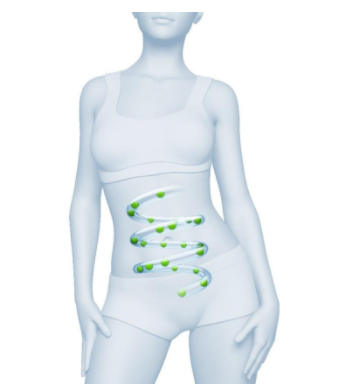 imbalance of neurotransmitters in the gut’s nervous system. This imbalance can be caused by stress, anti-depressant use, and nutritional deficiencies. A lack of dietary fiber or low water intake can also lead to low levels of gut motility. It often requires an integrative medicine approach to be able to identify functional causes of poor gut motility. The treating physician must be familiar with the nervous system components of gut movement and how to support them.
Low Stomach Acid:
Healthy levels of stomach acid directly suppress the overgrowth of bacteria in the small intestine. Low stomach acid levels can be caused by several factors. The most common causes of low stomach acid I find in my office including the use of antacids, lack of key nutrients (especially zinc), H. pylori infection (bacterial infection of the stomach) and an autoimmune disease that attacks the acid-producing cells of the stomach. Studies have shown that many patients who use antacids often develop high levels bacteria in the small intestine after only 4 weeks of medication use (and most people take these medication for much longer than 4 weeks). It is worth noting here a very common misconception that most people (and many doctors) have about stomach acid and heartburn (GERD). Most people who have heartburn are not producing too much stomach acid. There are some rare conditions that do result in the production of excess stomach acid, but again this is uncommon. Antacids provide symptomatic relief because they reduce the acidity of the stomach and so when the person does have reflux it does not cause discomfort or irritation of the esophagus or throat; they feel better. The real issues is not that they have too much stomach acid; the problem is that they are refluxing too easily and too often. Low levels of stomach acid changes the normal environment of the small intestine making it easy for large numbers of bacteria to thrive where they should not be.
Poor Gut Immunity:
Poor gut immunity permits large numbers of bacteria to exist in the small intestine. You could look at SIBO like an infection of the small intestine…too many bacteria causing a health problem. The immune system of the gut helps keep the number of bacteria and yeast at healthy levels. One of the most common causes of poor gut immunity is the existence of food sensitivities. If your immune system is overwhelmed and too busy “fighting” the foods in your diet it won’t have the resources to battle overgrowth of bacteria in the small intestine. Food sensitivities create the most trouble within the small intestine and not the stomach and large intestine. The small intestine may therefore be plagued with SIBO and food sensitivities at the same time!
A functional medicine approach to SIBO would, therefore, involve the assessment of gut motility, proper stomach acid production, and gut immunity.
Next week I will continue this article on the SIBO where we will explore testing, treatment, and diet.
If you would like more information about SIBO, functional medicine or Dr. Sexton go to www.napervilleintegratedwelness.com
Do your own research, inform yourself and ask lots of questions. When collecting information you MUST consider the source. There is no shortage of false, misleading, outdated, profit-driven and utterly biased information in healthcare today; even from the most respected sources.