
Naperville Integrated Wellness
NAPERVILLE'S TOP RATED LOCAL® FUNCTIONAL MEDICINE FACILITY

Chicago Functional Medicine Doctor Discover Root Cause of Your Health Problem
Hypothyroidism and Hashimoto’s disease
Are you searching for answers to your thyroid health issue? Do you know the Thyroid doctor Chicago trusts? As a Chicago functional medicine doctor, I see patients every day that are suffering from the effects of unhealthy thyroid gland function. Common symptoms of low thyroid function include weight gain, fatigue, brain fog, anxiety, depression, digestion issues, menstrual cycle irregularities, infertility and the list goes on.
 Hashimoto’s Disease Functional Medicine
Hashimoto’s disease is an autoimmune disease; this means the immune system is attacking a part of the body and in this case it is the thyroid gland. If the immune system damages the thyroid gland too much, the levels of thyroid hormone begin to go down. On a thyroid blood test, it often appears as an elevated TSH hormone and depressed T4 and T3 hormone.
The TSH is the hormone made by your pituitary gland (this gland is in your head) and it tells your thyroid gland to make the hormone T4 (thyroxine). Most thyroid medications contain the T4 hormone.
Many doctors will adjust thyroid medication based on the TSH blood test. While TSH is an indicator of thyroid function, it should not be used as the only indicator of proper thyroid hormone levels. This is because there are processes that can occur in the body that cause TSH to go high or lower that are not caused by the level of thyroid hormones.
Many individuals with Hashimoto’s disease continue to struggle with weight gain, brain fog, digestion problems, anxiety and other symptoms that are often associated with low levels of thyroid hormone even when their hormone levels are in the normal change on blood tests.
This is because Hashimoto’s disease is an immune system disorder. The focus in treatment is being placed only on the levels of thyroid hormone. The immune system is not being addressed at all. Many people with this disease have proper levels of thyroid hormone in their body but still suffer with hypothyroid symptoms.
Unfortunately, their doctors don’t know what else to do other than monitor the levels of TSH, T4 and possibly T3. Luckily the functional medicine doctor Chicago calls, has the tools and knowledge for success!
Getting the levels of thyroid hormone dialed in is only the beginning of managing Hashimoto’s. The focus of treatment must then be shifted to the immune system.
As a functional medicine doctor, I look for the root cause of chronic diseases. The root cause of this disease is a poorly regulated immune system. Autoimmune diseases are often called “overactive immune diseases” but that is not truly accurate. If you have an autoimmune disease, your immune system is not being regulated. It has made a mistake and is attacking your body.
Chicago Functional Medicine Hashimoto’s Disease Solutions
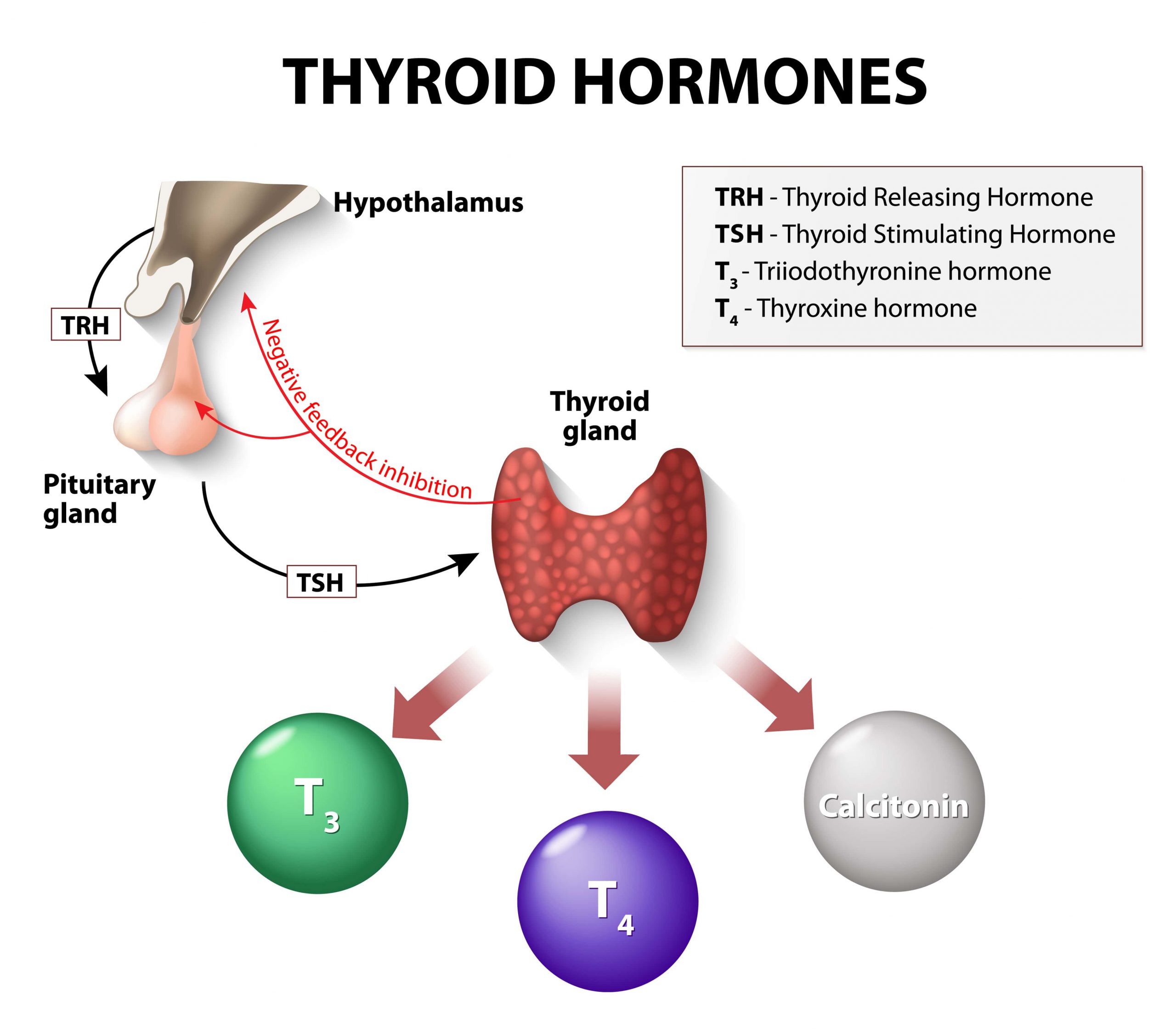 First we should review the thyroid blood tests that I like to see when working with Hashimoto’s disease.
TPO (thyroid peroxidase) antibodies: this a blood test to use when diagnosing Hashimoto’s disease. There is another test that is often run and it is called Anti-thyroglobulin antibody.
TPO (thyroid peroxidase) and thyroglobulin antibodies are the antibodies associated with Hashimoto’s disease. You may not have elevated thyroglobulin antibodies but you will typically see elevated TPO antibodies. You may also see these antibodies elevated in Graves’ disease (hyperthyroidism).
TSH: this is the hormone that comes from your pituitary gland and tells your thyroid gland to make T4 hormone. TSH stands for Thyroid Stimulating Hormone.
T4 hormone: this is made by your thyroid gland, or you may be taking as a medication such as levothyroxine.
fT4: the “f” stands for “free” and represents the biologically active T4 hormone. Some of your T4 is free and some of it is not. If it is not in the free state, it is not biologically active.
“T4 is found in the body in 2 forms: free T4 and bound T4. Free T4 travels into body tissues that use T4. Bound T4 attaches to proteins that prevent it from entering these tissues. More than 99% of T4 is bound. T4 is converted into another thyroid hormone called T3 (triiodothyronine)…”
T3 and T4 help to control how your body stores and uses energy (metabolism). The thyroid hormones also help control many of your body’s other processes. These include:
- Breathing
- Heart function
- Nervous system function
- Body temperature
- Cholesterol level
- How easily you gain weight
- Brain development
- Moisture in the skin
- Menstruation
Just as there is free and bound T4, there is free and bound T3. Like bound T4, bound T3 is not biologically active. Almost all of the T3 (and T4) found in the blood is bound to protein. The rest is free (unbound) and is the biologically active form of the hormone. Tests can measure the amount of free T3 or the total T3 (bound plus unbound) in the blood. The main protein that binds to T3 and T4 is called TBG.
“Thyroid-binding globulin (TBG) is produced in the liver and is a circulating protein that reversibly binds thyroid hormones (T3) and thyroxine (T4) and carries them in the bloodstream.”
https://emedicine.medscape.com/article/2089554-overview
Estrogen increases the production of TBG. High levels of estrogen or estrogen dominance can result in more thyroid hormone being bound and not biologically active. Hormone-based birth control can also alter/increase the binding of TBG to thyroid hormones.
As you can see, other hormones can alter how much of your thyroid hormone is biologically active.
Chronic Inflammation Functional Medicine
 Once we understand what is happening to the thyroid hormones in your body, we need to shift our attention to the immune system. One of the biggest problems with Hashimoto’s disease is the chronic inflammation that accompanies it.
Chronic inflammation can cause many symptoms that look exactly like low/hypothyroidism.
The main function of thyroid hormone is that your cells need it to make energy. If you have low levels of thyroid hormone, your cells and therefore your organs and body as a whole cannot make enough energy to function properly.
Chronic inflammation causes the same problem. It reduces the ability of your cells to make energy. Inside of your cells are small structures called mitochondria. Inflammation reduces the ability of mitochondria to make energy. When this occurs, you may gain weight or not be able to lose weight. You may feel tired, experience brain fog, anxiety, depression or irritability. You might experience digestion issues, insomnia, or other symptoms typically associated with hypothyroidism.
The immune system and the inflammation it is creating must be addressed. This where diet, nutrition, lifestyle modification and stress management techniques come in. This is why working with a functional medicine doctor is so important.
Balancing your thyroid hormones is just the beginning of managing this condition. Unfortunately, this is where treatment and support ends for most individuals.
Chicago Hashimoto’s Specialist
No two cases of Hashimoto’s are exactly alike, which is why we take a personalized approach to diagnostic testing. By analyzing your unique lab results, we can identify key triggers and imbalances that may be fueling your condition. Our detailed assessments provide the foundation for a customized treatment plan designed to help restore your thyroid function and improve your overall well-being. As your Chicago Hashimoto’s specialists, we’re committed to helping you achieve long-term health and vitality through precision testing and targeted care.
Rheumatoid Arthritis and Hashimoto’s
Hypothyroidism, a condition characterized by an underactive thyroid gland, can significantly contribute to rheumatoid-like symptoms due to its impact on the immune system and musculoskeletal health.
In hypothyroidism, the reduced production of thyroid hormones can lead to joint pain, stiffness, and swelling, mimicking symptoms of rheumatoid arthritis. This overlap often stems from the body’s slowed metabolism, which affects the repair and maintenance of tissues.
Hypothyroidism and Rheumatoid Arthritis
Additionally, hypothyroidism is commonly associated with autoimmune disorders like Hashimoto’s thyroiditis, which can coexist with or increase susceptibility to rheumatoid arthritis. The resulting inflammatory responses and impaired circulation may exacerbate fatigue, muscle weakness, and generalized pain. Proper diagnosis and management of hypothyroidism are crucial to alleviating these symptoms and differentiating them from true rheumatoid arthritis.
Natural Solutions to Hypothyroidism and Rheumatoid Arthritis
A Functional Medicine Solution to Hypothyroidism and RA will include a thorough history and evaluation that will be used to create a treatment plan to include dietary and lifestyle modifications that may reduce disease progression and improve quality of life.
Naperville Rheumatoid Arthritis and Hashimoto’s Specialist
The purpose of functional medicine is:
Understanding how the body works, knowing how and where to investigate health issues, knowing what to look for, understanding the significance of what is found and creating a plan of action to reverse and correct the root cause the health problems.
My wish for you…health, happiness and a better quality of life!
If you would like more information about functional medicine and integrative medicine or Dr. Borkowski go to napervilleintegratedwellness.com
Take charge of your healthcare decisions by seeking out accurate, reliable information and staying curious. Always evaluate the credibility of your sources, as misinformation and bias are common—even among highly regarded organizations in the medical field. Staying informed is key to making the best choices for your well-being.
This perspective on healthcare is meant solely for educational purposes and is not a replacement for professional medical advice, diagnosis, or treatment. For personalized guidance or more details, feel free to reach out to our office.