
Naperville Integrated Wellness
NAPERVILLE'S TOP RATED LOCAL® FUNCTIONAL MEDICINE FACILITY

Hypothyroidism vs. Adrenal Dysfunction: Understanding the Differences and What They Mean for Women’s Health
Women are frequently told their labs are “normal,” yet they continue to struggle with fatigue, weight gain, brain fog, anxiety, and disrupted sleep. Two of the most confused causes are hypothyroidism vs adrenal dysfunction (HPA-axis dysregulation). While they share symptoms, they are not the same condition—and treating the wrong incorrectly (or only one) often leads to persistent symptoms. This article breaks down the differences clearly, explains why women are disproportionately affected, and outlines how a functional medicine approach evaluates and addresses both. Learn more about functional medicine in Downer’s Grove from Dr. Sharon Borkowski now!
Why Women Often Confuse Thyroid Issues with Adrenal Problems In Downers Grove
Overlapping symptoms that cause misdiagnosis
Fatigue, weigh gains or loss, personality shifts, and cognitive issues appear in both conditions. Conventional care often funnels these symptoms into a single diagnosis—or dismisses them entirely. Many doctors may even prescribe anti-depressants or anti-anxiety medications for these symptoms. Perhaps that doctor even tells you to exercise more* or eat less.
Why women experience these conditions more often
Women experience greater hormonal fluctuation across the lifespan (puberty, pregnancy, postpartum, perimenopause, menopause). Add chronic stress, under-fueling, over-exercising (*yes, OVER-exercising can be an issue), and poor sleep, and the endocrine system becomes vulnerable.
The connection between stress, hormones, and metabolism
Stress hormones directly influence thyroid hormone conversion and cellular metabolism. When stress is chronic, thyroid signaling often suffers—even if standard labs look acceptable. In fact, your doctor will often ignore your symptoms if your labs look normal.
What Is Hypothyroidism?
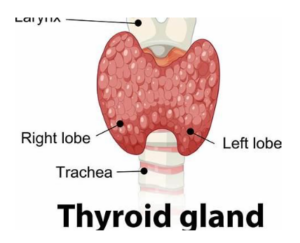
The thyroid is a master regulator that influences metabolism, energy output, temperature control, digestion, brain signaling, heart function, and reproductive health through the precise action of T4 and active T3 hormones. Because standard testing often focuses only on TSH and overlooks autoimmune drivers and cellular hormone activity, many women with classic symptoms remain undiagnosed despite ongoing fatigue, weight changes, mood shifts, and cycle irregularities.
How the thyroid gland works
The thyroid regulates metabolic rate, temperature, energy production, digestion, and neurological function.
Key Functions
- Metabolism: Regulates how your body uses energy from food (fats, carbs, proteins).
- Energy & Temperature: Influences body heat, energy levels, and oxygen use.
- Heart: Controls heart rate, cardiac output, and heart muscle strength.
- Brain & Nerves: Crucial for nerve development and function, impacting mood (anxiety/depression) and sensation.
- Digestion: Governs how food moves through the digestive system (motility).
- Growth & Development: Essential for bone and overall body development, especially in children.
- Reproduction: Affects menstrual cycles and fertility.
Basic thyroid hormone overview
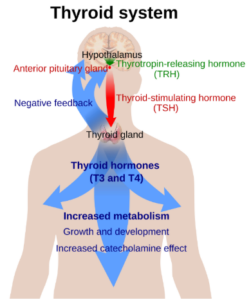
- TSH (thyroid-stimulating hormone): A pituitary signal, not a thyroid hormone
- T4 (thyroxine): Prohormone (less active) hormone
- T3 (triiodothyronine): Active hormone used by cells
Signs and symptoms of hypothyroidism in women§
- Persistent fatigue and low stamina
- Weight gain or inability to lose weight
- Cold intolerance
- Hair thinning (including outer eyebrows), dry skin
- Low mood or depression
- Constipation, bloating, slowed digestion
- Heavy or irregular menstrual cycles
If you experience 3 or more of these symptoms, you should have a thorough assessment of your thyroid function
Why hypothyroidism is often missed in traditional testing
- TSH-only testing: Normal TSH does not guarantee adequate T3 at the cellular level
- Autoimmune thyroid disease: Hashimoto’s thyroiditis is the leading cause of hypothyroidism in women, yet antibodies are frequently not tested
What Is Adrenal Dysfunction? (HPA-Axis Dysregulation)
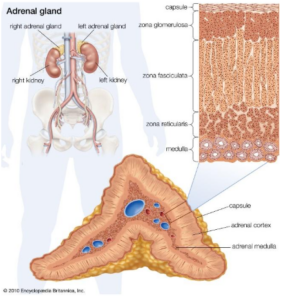
The adrenal glands, guided by the HPA axis, regulate cortisol patterns that influence energy, blood sugar, immunity, and sleep, but chronic stress can disrupt this rhythm and trigger symptoms like chronic fatigue, anxiety, crashes, and insomnia. When cortisol remains dysregulated, it interferes with thyroid hormone activation and signaling, explaining why stress alone can undermine thyroid function even when hormone levels look adequate.
How the adrenal glands regulate stress and cortisol
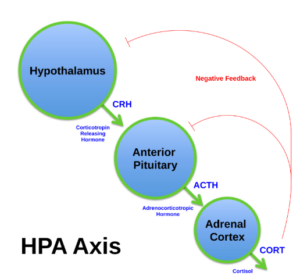
The hypothalamic-pituitary-adrenal (HPA) axis controls cortisol rhythms that govern energy, blood sugar, immune signaling, and sleep-wake cycles.
Specifically, the adrenal cortex produces cortisol in response to signals from the brain (hypothalamus and pituitary gland). It raises blood sugar, boosts metabolism and suppresses immune responses to manage both physical and emotional stress.
Beyond immediate stress, cortisol helps balance electrolytes and manage blood pressure, while chronic activation can lead to issues like obesity, depression and lowered immune function.
Signs and symptoms of adrenal dysfunction~
- “Tired but wired” feeling
- Morning exhaustion with afternoon or evening energy
- Anxiety, irritability, or overwhelm
- Crashes between meals
- Difficulty falling or staying asleep
- Increased sensitivity to stress, caffeine, or exercise
~If you have 3 or more of these symptoms, you should have your adrenal function assessed.
Why adrenal dysfunction is not a “thyroid issue”—but impacts thyroid health
Cortisol directly affects:
- T4 → T3 conversion
- Reverse T3 production (inactive thyroid hormone)
- Thyroid receptor sensitivity
Unchecked stress can block thyroid effectiveness even when hormone levels appear sufficient.
Hypothyroidism vs. Adrenal Dysfunction: Key Differences
Hypothyroidism reflects a slowdown driven by low thyroid hormone output, while adrenal dysfunction stems from cortisol imbalance that creates erratic energy, anxious mood shifts, stress-related weight gain, and disrupted sleep.
Primary gland involved
- Hypothyroidism: Thyroid gland diminished production of hormone
- Adrenal dysfunction: Adrenal glands / HPA axis; dysregulation of cortisol
Hormones involved
- Hypothyroidism: T4, T3
- Adrenal dysfunction: Cortisol, DHEA
Energy patterns
- Hypothyroidism: Consistently low, sluggish metabolism
- Adrenal dysfunction: Unstable—peaks and crashes
Mood patterns
- Hypothyroidism: Depression, apathy
- Adrenal dysfunction: Anxiety, irritability
Weight and metabolism
- Hypothyroidism: Gradual weight gain, fluid retention
- Adrenal dysfunction: Stress-related weight gain, especially central
Sleep patterns
- Hypothyroidism: Excessive sleepiness
- Adrenal dysfunction: Insomnia or non-restorative sleep
Where These Two Conditions Overlap: Adrenal Dysfunction and Hypothyroidism
Because adrenal stress and thyroid dysfunction share symptoms like fatigue, brain fog, mood shifts, and weight gain, chronic cortisol imbalance and inflammation can suppress thyroid activity—leaving many women symptomatic when only one system is treated.
Shared symptoms that confuse women
- Fatigue
- Brain fog
- Mood changes
- Weight gain
How adrenal issues can mimic thyroid disease
Low or erratic cortisol can reduce thyroid hormone activation, producing hypothyroid-like symptoms without overt thyroid failure.
How chronic stress can worsen hypothyroidism
Chronic stress increases inflammatory signaling and reverse T3, effectively “blocking” thyroid action.
Why many women have both
Stress dysregulation often precedes thyroid dysfunction. Treating one without addressing the other is a common reason women remain symptomatic.
How a Thyroid Specialist Near Downers Grove Evaluates Both Conditions
By evaluating active thyroid hormones, immune markers, adrenal rhythms, and stress-related signals, functional medicine testing uncovers physiological imbalances that standard lab ranges often miss—explaining why women can feel unwell even when results appear “normal.”
Functional medicine testing for thyroid health
- Free T3
- Free T4
- Reverse T3
- Thyroid antibodies (TPO, Tg)
Functional medicine testing for adrenal health
- Cortisol rhythm (not just a single blood draw)
- DHEA
- Stress and inflammatory markers
Why comprehensive testing matters for women
Symptoms reflect physiology, not reference ranges. A broader lens reveals why “normal labs” can still equal dysfunction.
Treatment Approaches: Thyroid Support vs. Adrenal Support
Our functional medicine doctor near Downers Grove addresses hypothyroidism by improving how thyroid hormones actually function in the body while correcting nutrient gaps and supporting immune balance. By also restoring adrenal health, stress response, sleep, blood sugar, and inflammation, this whole-body approach explains why treating the thyroid alone often fails to resolve symptoms.
How hypothyroidism is addressed in functional medicine
- Optimizing thyroid hormone signaling (not just TSH)
- Correcting nutrient deficiencies (iodine, selenium, iron, zinc, B vitamins)
- Supporting immune balance in autoimmune thyroid disease
How adrenal dysfunction is supported
- Stress regulation and nervous system retraining
- Sleep timing and circadian rhythm restoration
- Blood sugar stabilization
- Inflammation reduction
Why only treating the thyroid may not resolve symptoms
Without addressing cortisol patterns, thyroid hormones may not convert, bind, or signal effectively.
When to Seek Help from a Thyroid Specialist Near Downers Grove
If symptoms continue despite normal labs or standard thyroid treatment—especially with a history of chronic stress or autoimmune issues—it’s often a sign that a deeper, more personalized evaluation is needed. A functional medicine approach brings together advanced testing, individualized care, and ongoing adjustments to address the full picture and drive meaningful results.
Signs you need a deeper evaluation
- Persistent symptoms despite “normal” labs
- Thyroid medication with minimal benefit
- History of chronic stress, burnout, or autoimmune disease
Why local personalized treatment matters
Care that integrates history, labs, lifestyle, and physiology is more precise—and more effective.
What women can expect from a functional medicine approach
- Comprehensive testing
- Individualized treatment plans
- Ongoing monitoring and adjustment
Final Thoughts: Getting to the Root Cause of Hypothyroidism or Adrenal Dysfunction
Women are frequently dismissed, misdiagnosed, or told their symptoms are inevitable. They are not. Hypothyroidism and adrenal dysfunction are distinct—but deeply interconnected—conditions that require thoughtful evaluation. A whole-body approach restores clarity where fragmented care falls short. Contact Naperville Integrated Wellness to schedule an adrenal dysfunction or hypothyroidism appointment now.