
Naperville Integrated Wellness
NAPERVILLE'S TOP RATED LOCAL® FUNCTIONAL MEDICINE FACILITY

Chronic Nausea: Causes, Symptoms, and Functional Medicine Solutions for Gut and Systemic Health
Living with chronic nausea can be frustrating, exhausting, and often confusing—especially when symptoms persist despite normal test results or temporary relief from medications. Naperville Integrated Wellness offers chronic nausea treatment Naperville solutions with functional medicine. For some individuals, nausea becomes a daily struggle that interferes with eating, work, sleep, travel, and overall quality of life. While many people assume chronic nausea is simply a digestive issue, the reality is often far more complex. Ongoing nausea can be linked to gut inflammation, food sensitivities, hormonal imbalances, thyroid dysfunction, blood sugar instability, liver stress, nervous system dysregulation, and other underlying health concerns. Understanding the root cause is the first step toward lasting relief, which is why a functional medicine approach focuses on identifying and addressing the deeper factors contributing to persistent symptoms.
Chronic Nausea Is More Than a Digestive Complaint
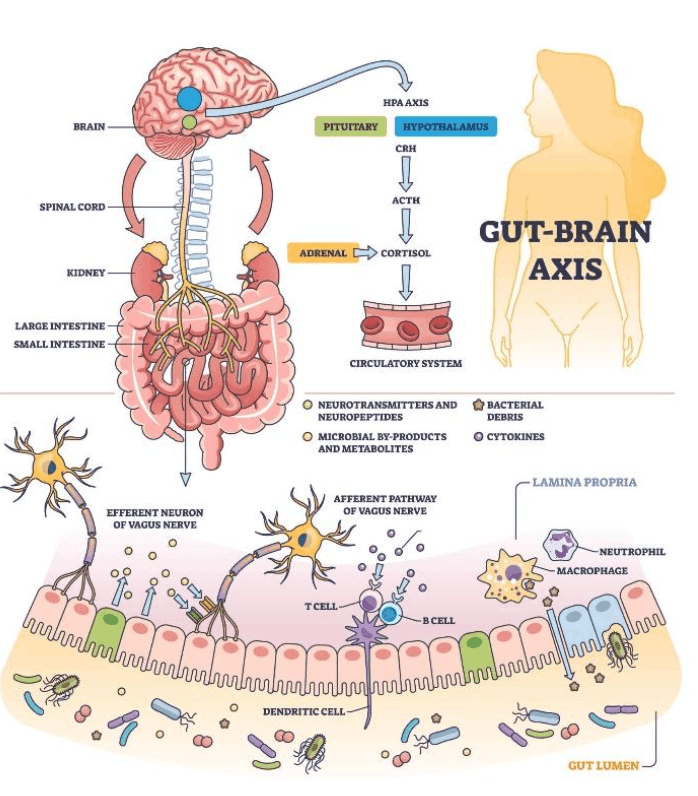
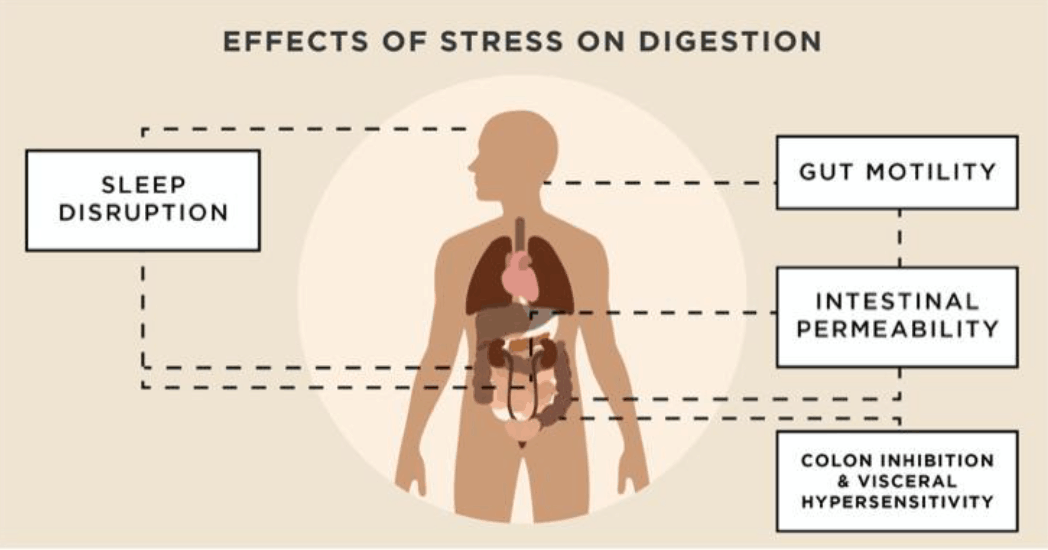
Most people experience nausea at some point in their lives. It may occur during a stomach virus, after eating a questionable meal, or as a side effect of medication. However, when nausea becomes chronic—persisting for weeks, months, or even years—it often signals something much deeper than a temporary digestive upset. Chronic nausea is not a diagnosis. It is a symptom that indicates the body is struggling with an underlying imbalance. While conventional approaches often focus on suppressing symptoms with medications, functional medicine seeks to understand why nausea is occurring in the first place. At Naperville Integrated Wellness, we view chronic nausea as an important clue that may point to dysfunction involving the gut, immune system, liver, hormones, metabolism, nervous system, or a combination of these factors. By identifying and addressing the root causes, many individuals experience lasting improvement rather than temporary symptom relief. Chronic nausea often reflects deeper dysfunction involving multiple body systems. The digestive tract contains approximately 70% of the immune system, making gut health closely tied to immune function. When inflammation develops within the gastrointestinal tract, nausea is often one of the body’s earliest warning signs. Several chronic and autoimmune digestive conditions can contribute to ongoing nausea, including: Inflammation within the digestive tract can disrupt normal digestive processes, alter motility, and trigger nausea through immune-mediated signaling pathways. The liver plays a critical role in processing toxins, hormones, medications, and metabolic waste products. When detoxification pathways become overwhelmed or liver function is impaired, individuals may experience persistent nausea. Potential contributors include: When the body’s detoxification systems become strained, nausea can emerge as part of a broader pattern of systemic dysfunction. Digestive function is heavily influenced by hormones and metabolic health. Thyroid disorders can significantly impact gastrointestinal motility. An underactive thyroid may slow digestion and contribute to nausea, bloating, and constipation. Conversely, an overactive thyroid can accelerate digestive processes and create gastrointestinal discomfort. Blood sugar instability is another common but frequently overlooked cause of nausea. Rapid fluctuations in glucose levels can trigger symptoms such as: Adrenal dysfunction and chronic stress can further impair digestive function and contribute to persistent symptoms. The gut and brain maintain constant communication through what is known as the gut-brain axis. The vagus nerve serves as a primary communication pathway between the digestive system and the brain. Chronic stress, anxiety, trauma, inflammation, or autonomic nervous system dysfunction can disrupt this communication network. When brain-gut signaling becomes impaired, individuals may experience: This explains why emotional stress often worsens digestive symptoms and why digestive dysfunction can negatively impact mood and mental clarity. The gut-brain axis plays a major role in chronic digestive symptoms and nausea. Chronic nausea rarely occurs in isolation. Other symptoms often provide important clues regarding the underlying cause. Patients frequently report: These symptoms may indicate inflammation, microbial imbalance, food sensitivities, or impaired digestive function. Many individuals with chronic nausea also experience: These symptoms often reflect nutrient deficiencies, inflammation, blood sugar instability, or impaired mitochondrial function. The skin frequently reflects internal health. Common signs include: These symptoms may suggest immune activation, gut permeability, food sensitivities, or detoxification challenges. Chronic gut inflammation influences neurotransmitter production and nervous system regulation. Patients often report: In many cases, improving gut health leads to noticeable improvements in mood and emotional well-being. Chronic nausea is frequently accompanied by fatigue, brain fog, skin issues, and mood changes. Chronic nausea can be driven by a range of underlying conditions, including autoimmune digestive disorders, thyroid dysfunction, metabolic imbalances, and chronic infections that all disrupt normal gut function and digestion. Conditions such as: can create ongoing inflammation that disrupts normal digestive function and contributes to chronic nausea. Potential contributors include: These conditions can alter gastric emptying, intestinal motility, and nutrient absorption. Insulin resistance, chronic inflammation, and blood sugar instability can significantly impact digestive health. Patients may notice nausea that worsens when meals are skipped, after consuming high-sugar foods, or during periods of stress. Several infections and microbial imbalances are frequently associated with chronic nausea: Functional medicine focuses on identifying the root causes of symptoms rather than simply managing them. A thorough evaluation may include: Testing may also include: Areas evaluated include: Often, multiple factors are interacting simultaneously to drive symptoms. An anti-inflammatory nutrition plan can significantly reduce digestive stress. Strategies may include: Supporting healthy detoxification pathways may involve: Helpful strategies include: Chronic nausea should never be ignored. When underlying imbalances remain unresolved, patients may develop: Early intervention allows patients to address root causes before more serious complications develop. Chronic nausea is often a sign that something deeper is going on in the body, whether related to gut inflammation, thyroid or hormonal imbalance, blood sugar instability, chronic infection, toxin exposure, or disruptions in the gut-brain connection. At Naperville Integrated Wellness, Dr. Sharon Borkowski uses a functional medicine to look beyond symptom management and identify the root causes driving persistent nausea. Through personalized evaluation and care, the goal is to restore balance and support long-term relief. If you are ready to get answers and move forward with a focused plan, schedule a consultation with Dr. Borkowski and the team at Naperville Integrated Wellness. Schedule your consultation today by calling (630) 210-8391 now!Chronic Nausea Treatment Solutions – Why The Dysfunction Happens
The Gut-Immune Connection
Liver and Detoxification Stress
Hormonal and Metabolic Disruption
Neurological and Brain-Gut Signaling Dysfunction
Symptoms and Systemic Clues Beyond Nausea
Digestive Symptoms
Energy and Cognitive Symptoms
Skin Manifestations

Mood and Stress-Related Symptoms

Underlying Chronic and Autoimmune Conditions to Consider
Autoimmune Gut Disorders
Thyroid Disorders
Metabolic Dysregulation
Chronic Infections
Functional Medicine Assessment for Chronic Nausea
Comprehensive Laboratory Testing
Metabolic and Hormonal Evaluation
Lifestyle and Environmental Review
Natural and Lifestyle Solutions For Chronic Nausea
Gut Support
Liver and Detoxification Support
Stress Reduction and Nervous System Regulation
Preventing Long-Term Consequences
Schedule A Chronic Nausea Naperville Consult