
Naperville Integrated Wellness
NAPERVILLE'S TOP RATED LOCAL® FUNCTIONAL MEDICINE FACILITY

Could it be a food allergy? – Functional Medicine helps at the source!

Is Your Diet Making You Sick?
I’m not just talking about junk food or highly processed foods. Food allergy and Sensitivity testing can be the assist you need. Could healthy foods be a problem for your body? Many people have food allergies or food sensitivities that are supposed to be healthy. How would you know if the healthy foods you are eating are making you sick? Can you discover which foods support and nourish your body and which ones tear it down, leading to loss of function and illness? A functional medicine doctor appreciates the importance of proper diet. The root cause of many health problems often comes back to the foods we are eating every day. One method of identifying problem foods is an elimination diet. It works by taking out foods you think might be causing problems. After a period of time, you start reintroducing these foods, one at time. As you put these foods back into your diet you look for any adverse reaction to these foods. These would be foods that are considered harmful to your body. Some people do have success with this method, but then again many don’t. Functional medicine doctors often utilize elimination diets to help their patients created an low inflammatory and immune-friendly menu plan. When you start an elimination diet, how do you know which foods are actually safe foods …you might be eating foods that you are allergic or sensitive to from the start of the elimination diet. For an elimination diet to work, by definition, you need to “eliminate” foods that are causing health issues. How do know which foods to start with? What are your safe foods? If you only eliminate only 1 or 2 foods, you might not notice any improvement in your symptoms. You may need a functional medicine diet tailored to you. You might therefore arrive at the incorrect assumption that these foods are not a problem for you. Let’s say you have IBS and you eliminate gluten and dairy, from your diet but don’t notice any improvement in your symptoms. You might conclude that these foods are not part of your food problem. You might have several other foods that are causing problems, but you did not also eliminate those from your diet, so you didn’t notice much improvement in your symptoms. One may have substituted one bad food for another. Instead of having dairy you might have increased your intake of soy or nut milks and instead of gluten you increased other grains like oats or corn. When this occurs, you have not effectively reduced the negative-food burden on your body and as a result you don’t feel better. Now you might not have removed the harmful foods for a long enough period of time. Sometimes foods need to be eliminated for longer periods of time, depending on your particular health condition and how the food triggers your immune system. For example, you might need to avoid offending foods for a longer period of time if you have an autoimmune disease than if you only have a little gas and bloating. Time is a factor with food elimination diets and the changes you are expecting to see. It is also important that some immune responses can be last only a few hours whereas others may linger for days. If you are feeling slightly off, do not hesitate to reach out for our food allergy and sensitivity testing service. Physical reactions to certain foods are common, but most are caused by a food intolerance rather than a food allergy. A food intolerance can cause some of the same signs and symptoms as a food allergy, so people often confuse the two… https://www.mayoclinic.org/diseases-conditions/food-allergy/expert-answers/food-allergy/faq-20058538 These can get confusing so let’s just simplify the difference between these 3. A food allergy triggers an IgE antibody response to the food eaten. Severity of this reaction can be mild to life-threatening. This is an immune response that is not caused by and IgE antibody response. This would include IgG or IgA antibody responses or histamine intolerance. Basically, any immune system response that is not driven by an IgE antibody. Health professionals disagree on the definition(s) of food sensitivity more food allergy or intolerance. A food intolerance would be a food that your digestive system is not handling or processing well. A common example would be lactose intolerance; this occurs when the individual fails to produce enough of the enzymes (lactase) to digestive the sugar (lactose) in dairy products. This is not an immune system problem. It should also be noted that a food sensitivity or allergy can contribute to a food. For example, if you have food sensitivities or allergies the health and integrity of the small intestine can be affected. You make special digestive enzymes in the small intestine required to complete food digestion called brush border enzymes. A reduction of these enzymes will essentially result in a variety of food intolerances. The low FODMAP diet is based on this concept. Food sensitivities and food intolerance can cause or be caused by a leaky gut which is a disruption in the small intestine. Dr. Sue Shepherd, PhD discovered FODMAPs , or Fermentable Oligosaccharides, Disaccharides, Monosaccharides And Polyols, aggravated many digestive complaints and subsequently developed the low FODMAP diet in 1999. Foods high in FODMAPs include honey, apples, mango, pear, watermelon, high fructose corn syrup, leek, onion, wheat, rye, barley, inulin, milk, yogurt, kidney beans, lentils, chickpeas, apricots, avocado, cherries, nectarines, plums, mushrooms, sorbitol, mannitol and xylitol. Candida, in particular, is one microorganism that feeds on undigested carbohydrates. Carbohydrate digestion by your microbiome can lead to dysbiosis (an imbalance of the microbiome), “leaky gut,” abdominal bloating and distension, flatulence, abdominal pain, nausea, changes in bowel habits, diarrhea, and constipation. I prefer to start with a food allergy and sensitivity test before making dietary changes. This is a blood test that measure the level of antibodies your immune system is making to a wide variety foods. Your immune system makes antibodies against anything it considers to be an enemy or threat to your body. We use these antibodies as a guide to create a “safe food” starting point for dietary changes. This is important because we often find “healthy foods” are part of the problem. There is one important thing you need to know about using food tests, you must know how to interpret them. You must understand WHY your immune system is making antibodies to a particular food and remove that food as well as it’s close relatives, so to speak. This is how you get to a safe place to start your diet changes. Once your body has had an opportunity to heal, inflammation has been reduced and you feel better…now you can start introducing foods back into your diet. You can also use the test results as a guide for your food re-introduction plan. The food sensitivity testing results can help get you to a safe place with food and provide a roadmap for food reintroduction. I can’t overemphasize the need for proper test interpretation. Again, you don’t just avoid what the test says, you need to understand WHY certain foods come up as positive and how they are related to other foods, from an immune system perspective. Food is often the root cause of health problems. Identifying these foods is a key step in your recovery. You can try an elimination diet on your own and if you have great results, then food testing is not necessary. If you don’t have success or simply don’t know where to begin, food allergy and food sensitivity testing can be a very helpful tool. I have also found that it is easier, form a psychological perspective, to comply with dietary changes when you can see objectively, on a blood test, that certain foods are not good for your health. This subject of Food allergy and Sensitivity testing would not be complete if we did not touch on the subject of skin testing for allergies. Remember that testing for food allergies on the skin, just like blood tests is not always 100% accurate. Skin testing only evaluates an allergy meaning only an IgE antibody response. Most people have more reactions to foods from IgG and IgA antibodies than they do from IgE antibodies. SPTs seldom produce “false negatives” (erroneous results indicating that you are not allergic to a food, even though you really are). Negative results almost always mean that you are not allergic to a food. Positive tests, however, are not always accurate. About 50-60 percent of all SPTs yield “false positive” results, meaning that the test shows positive even though you are not really allergic to the food being tested. These results occur for two reasons: The purpose of functional medicine is: Understanding how the body works, knowing how and where to investigate health issues is a start. Knowing what to look for, understanding the significance of what is found is pivotal. Creating a plan of action to reverse and correct the root cause the health problems. If you are looking for the best Mokena Functional medicine doctor or functional medicine Chicago can offer, do not hesitate to reach out! My wish for you…health, happiness and a better quality of life! If you would like more information about functional medicine and integrative medicine or Dr. Sexton go to napervilleintegratedwellness.com Do your own research, inform yourself and ask lots of questions. When collecting information, you MUST consider the source. There is no shortage of false, misleading, outdated, profit-driven and utterly biased information in healthcare today. Even from the most respected sources and organizations. This approach to healthcare is not intended to diagnose, treat, cure, mitigate, or prevent any disease. This article is for information purposes and is not a substitute professional healthcare services. Contact our office for more information.Do Elimination Diets Work?
Why Elimination Diets Don’t Always Work
Failing To Remove Enough Food Allergies

Reintroducing A Food Sensitivity Too Soon
The Difference Between A Food Intolerance and A Food Allergy?
Food Allergy – Food Sensitivity – Food Intolerance
What is the difference?
Food allergy
Food Sensitivity
Food intolerance
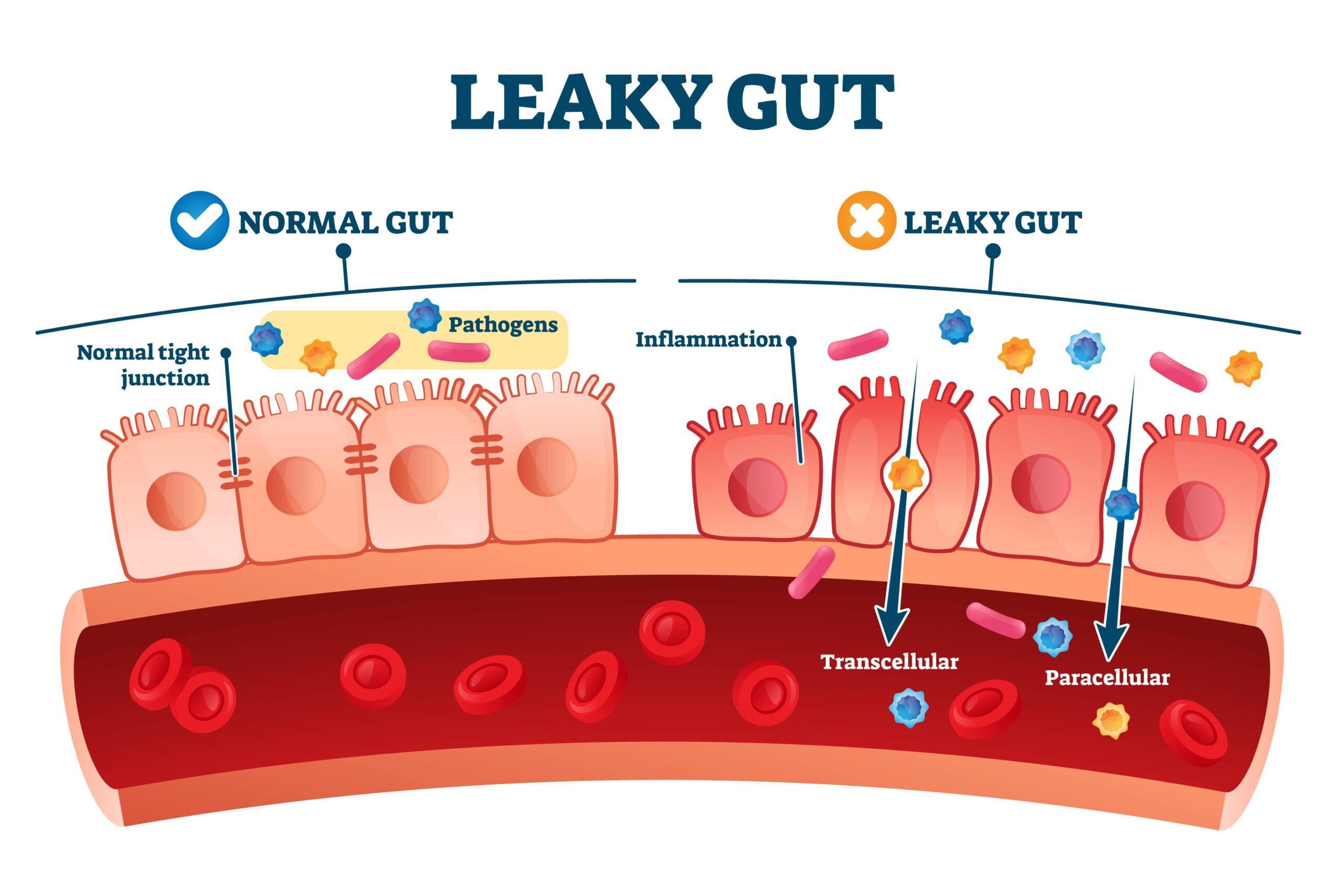
Low FODMAP diet
Carbohydrate digestion and absorption is surprisingly complex. In order for carbohydrates to be properly digested, the wall (“brush border”) of your small intestine has to produce specific enzymes. If you do not optimally produce the enzymes or if the brush border of your small intestine is inflamed, carbohydrate digestion will be compromised. Once carbohydrate digestion is compromised, the microorganisms that populate your digestive tract, known as your microbiome, will feed on the carbohydrates by fermentation. Food Allergy and Sensitivity Testing
 If you have ever seen a food test result, it often looks like a bunch of random foods are a problem. Or it might say you don’t have a problem with foods you know to be a problem for you through experience. This is where interpretation is key. The test is used as a tool to identify not only specific foods but foods that share common problem-causing characteristics. You will not get the best outcome if you only avoid the foods that come up positive.
 Food Sensitivity Tests Are A Roadmap
Are Skin Prick Tests Helpful?