
Naperville Integrated Wellness
NAPERVILLE'S TOP RATED LOCAL® FUNCTIONAL MEDICINE FACILITY

Gut Dysbiosis: What It Is, Why It Happens, and Why It Shouldn’t Be Ignored
Many people live for years with digestive symptoms, low energy, brain fog, skin flares, or hormone issues without ever being told that their gut may be at the center of the problem. A gut dysbiosis specialist can help guide and educate on relieving and improving your quality of life! Instead, they may be told that labs look “normal,” perhaps advised to manage stress or given medications that quiet symptoms (or treat ‘anxiety’) without addressing why those symptoms started in the first place. One of the most common—and most overlooked—root contributors behind these patterns is gut dysbiosis. Gut dysbiosis is not a fad diagnosis. It is a physiological imbalance in the microbiome that can affect digestion, immune regulation, hormones, inflammation, and even brain function. When ignored, it rarely stays confined to the gut.
Dr. Sharon Borkowski breaks down what gut dysbiosis actually is, how it develops, why it is so often missed, and what can be done about it now.
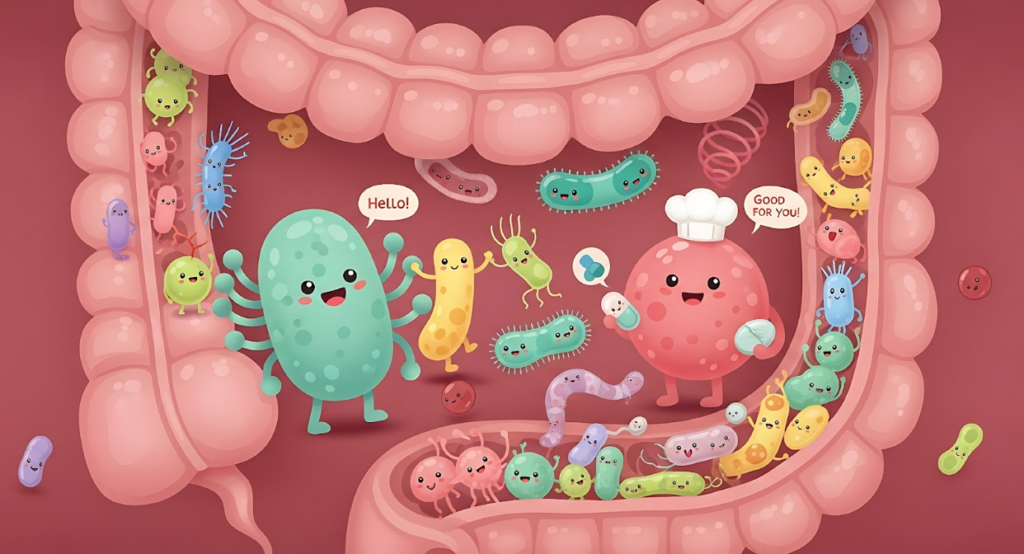
What Is Gut Dysbiosis?
Gut dysbiosis refers to an imbalance in the gut microbiome—the ecosystem of trillions of bacteria, fungi, and other microorganisms that live primarily in the digestive tract.
In a healthy gut, beneficial organisms help: In dysbiosis, that balance is disrupted. Beneficial organisms may be reduced, harmful or opportunistic organisms may overgrow, and overall microbial diversity declines. This is very different from occasional digestive discomfort. Everyone experiences bloating or irregularity at times. Gut dysbiosis is a chronic state, often evolving quietly over years, where the gut no longer supports the body efficiently. Importantly, gut dysbiosis does not only affect digestion. Because the gut interfaces directly with the immune system, endocrine system, and nervous system, imbalances can create symptoms far beyond the abdomen. Gut dysbiosis does not present the same way in every person. That is one reason it is frequently missed. Common digestive signs include: Bloating or abdominal pressure: Individuals with gut dysbiosis may experience frequent bloating or a sensation of abdominal pressure due to excessive gas production from imbalanced gut bacteria fermenting food improperly. Constipation, diarrhea, or alternating patterns: Disruption of the gut microbiome can interfere with normal bowel motility, leading to constipation, diarrhea, or an unpredictable alternation between the two. Excess gas: An overgrowth of certain bacteria or yeast can increase fermentation in the intestines, resulting in excessive gas that may be uncomfortable or socially distressing. Reflux or delayed digestion: Dysbiosis can impair stomach acid balance and gut signaling, contributing to acid reflux, slow stomach emptying, or a persistent feeling that food is “sitting” in the stomach. Feeling heavy, fatigued, or nauseated after meals: When digestion is inefficient due to microbial imbalance, the body may divert energy toward managing inflammation and digestion, causing post-meal fatigue, heaviness, or nausea. Low energy or chronic fatigue: An imbalanced gut microbiome can impair nutrient absorption and increase systemic inflammation, both of which may contribute to persistent low energy or ongoing fatigue that does not improve with rest. Brain fog or difficulty concentrating: Dysbiosis may affect the gut–brain axis through inflammatory signaling and neurotransmitter disruption, leading to symptoms such as mental cloudiness, poor focus, or slowed cognitive processing. Mood changes, anxiety, or irritability: Because a significant portion of neurotransmitters like serotonin are influenced by gut bacteria, microbial imbalance can contribute to mood instability, heightened anxiety, or increased irritability. Frequent infections or slow recovery from illness: The gut plays a central role in immune regulation, and dysbiosis can weaken immune defenses, making individuals more susceptible to infections or prolonging recovery time. Skin issues such as acne, eczema, rashes, or hives: Inflammation and impaired detoxification associated with gut imbalance may manifest through the skin, leading to chronic or recurrent dermatologic symptoms. Hormonal symptoms including PMS, irregular cycles, or worsening perimenopausal complaints: Gut bacteria help regulate hormone metabolism and elimination, and dysbiosis can disrupt this process, contributing to hormonal imbalances and exacerbated reproductive or menopausal symptoms. Joint pain or inflammatory flares: Systemic inflammation driven by gut permeability and immune activation may present as joint discomfort, stiffness, or flares of inflammatory conditions. Many patients are told these symptoms are unrelated. Clinically, we have found they often are interconnected. Gut dysbiosis is rarely caused by one single event. Instead, it is usually the accumulation of stressors over time. Genetics can influence: The integrity of the gut lining: Genetic variations can affect the strength and resilience of the intestinal lining, making some individuals more prone to increased permeability and irritation when exposed to dietary, environmental, or infectious stressors. The immune system reaction to microbes: Genetics help determine how aggressively or inefficiently the immune system responds to bacteria, viruses, and fungi in the gut, which can influence whether the microbiome remains balanced or shifts toward chronic inflammation. The regulation of the inflammatory response: Inherited differences in inflammatory signaling can predispose certain individuals to heightened or prolonged inflammation, increasing the likelihood that repeated stressors will contribute to the gradual development of gut dysbiosis. A family history of digestive issues, autoimmune disease, or metabolic dysfunction may increase vulnerability to dysbiosis. Lifestyle and physiology do matter. Chronic inflammation, autoimmune conditions, insulin resistance, and metabolic strain all place ongoing stress on the gut environment. The gut-brain connection is particularly important. Chronic stress alters motility, stomach acid, bile flow, and microbial composition. Over time, this shifts the gut away from balance Even cardiovascular strain and blood pressure dysregulation can indirectly affect digestion by impairing circulation, nutrient delivery, and autonomic nervous system balance. Some of the most damaging influences include the following: Individually, these may seem manageable. Collectively, they reshape the microbiome. One of the most frustrating experiences for patients is being told that everything looks “normal” while symptoms continue. Conventional lab work is excellent at detecting disease—but not dysfunction. Many gut imbalances occur long before pathology appears on standard panels. A normal result simply means a value falls within a wide statistical range. It does not mean the gut is functioning well for that individual. Within the traditional medical model – defined by brief time-restricted visits, symptom-driven interventions, and minimal functional assessment, patients frequently report feeling unheard, dismissed, and left without meaningful resolution. Functional medicine approaches gut dysbiosis differently. The goal is not symptom suppression—it is physiological restoration. A gust dysbiosis specialist can help break down your specific body and condition to help alleviate. Key principles include: Every microbiome is unique. Effective gut care is not about trends, cleanses, or guessing—it is about strategy. Yes—but not overnight, and not with shortcuts. Improvement is possible when: Healing timelines vary based on degree of established dysfunction, resilience, and complexity. Progress is often gradual, measurable, and sustainable when done correctly. Supporting gut balance may include: There is no universal protocol. What helps one patient may worsen another. It is time to seek support when: Delaying care often leads to layered dysfunction that becomes more complex to unwind. A gut dysbiosis specialist focuses on uncovering and correcting imbalances in the gut microbiome that contribute to persistent digestive issues and complex systemic symptoms. Rather than treating isolated complaints, this type of practitioner evaluates how microbial disruption affects digestion, immune function, chronic organ inflammation, hormone metabolism, and the gut–brain connection. Our functional medicine doctor near St. Charles gets to the root of the problem with gut dysbiosis. Care and treatment plans are typically guided by: A detailed review of health history and symptom patterns to identify root contributors Functional or microbiome-based testing, when appropriate, to assess bacterial balance, inflammation, and gut barrier integrity Personalized nutrition strategies designed to reduce irritation and support microbial diversity Targeted supplementation to address deficiencies, overgrowth, or impaired digestion Lifestyle guidance to support stress regulation, sleep quality, and long-term gut resilience The goal is to address underlying causes, stabilize symptoms, and support sustainable improvements in overall health rather than providing short-term relief. We offer a free 20-minute phone consultation for individuals seeking clarity about their gut health. We offer supervised weight loss services in St. Charles, Naperville and surrounding areas! Who This Call Is For If you have been managing symptoms without answers, continuing to guess is unlikely to produce a different outcome. If you are ready to stop guessing and start understanding your gut health, we invite you to schedule your free consultation today.
Common Signs and Symptoms of Gut Dysbiosis
Digestive Symptoms
Whole-Body Symptoms
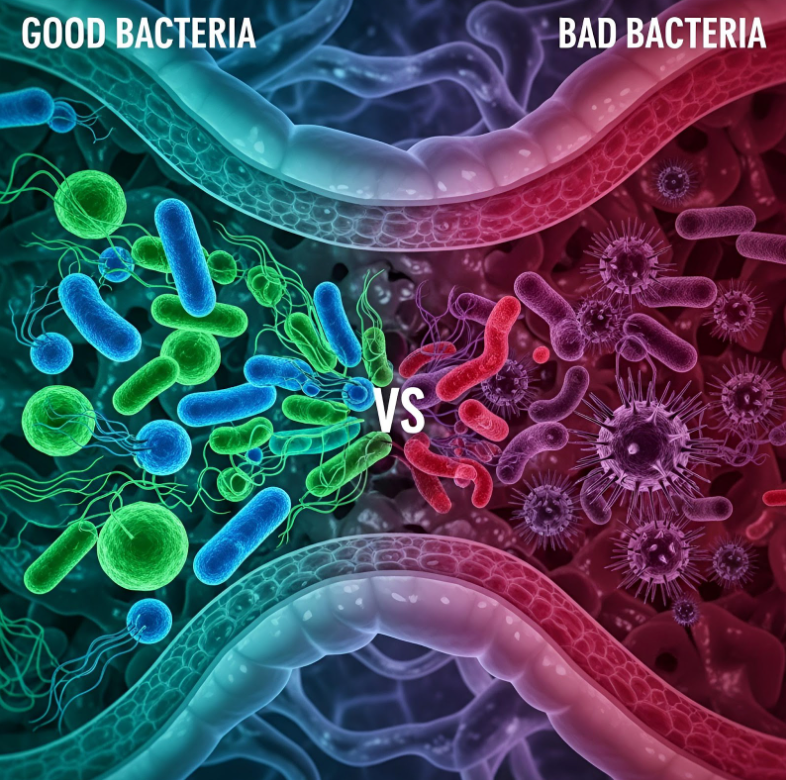 Because what happens in the gut has an impact on systemic function, symptoms may also include:
How Gut Dysbiosis Develops Over Time
Genetics and Gut Vulnerability
Chronic Conditions and Long-Term Stress on the Gut
Repeated Habits That Quietly Disrupt the Microbiome
Why Gut Dysbiosis Is Often Missed or Misdiagnosed
Limitations of Standard Testing
“Normal” Does Not Always Mean Optimal
Why Patients Are Told Nothing Is Wrong

Functional Medicine and Gut Dysbiosis
Can Gut Dysbiosis Be Reversed?
Natural Solutions and Prevention for Gut Dysbiosis
When to Seek Help for Gut Dysbiosis
Gut Dysbiosis Specialist Near St. Charles
A Simple First Step Toward Gut Healing