
Naperville Integrated Wellness
NAPERVILLE'S TOP RATED LOCAL® FUNCTIONAL MEDICINE FACILITY

Food Allergy Treatment Functional Medicine
Food-related health problems are growing at an alarming rate in the United States and causing a wide range of health disorders. For many people of all ages, 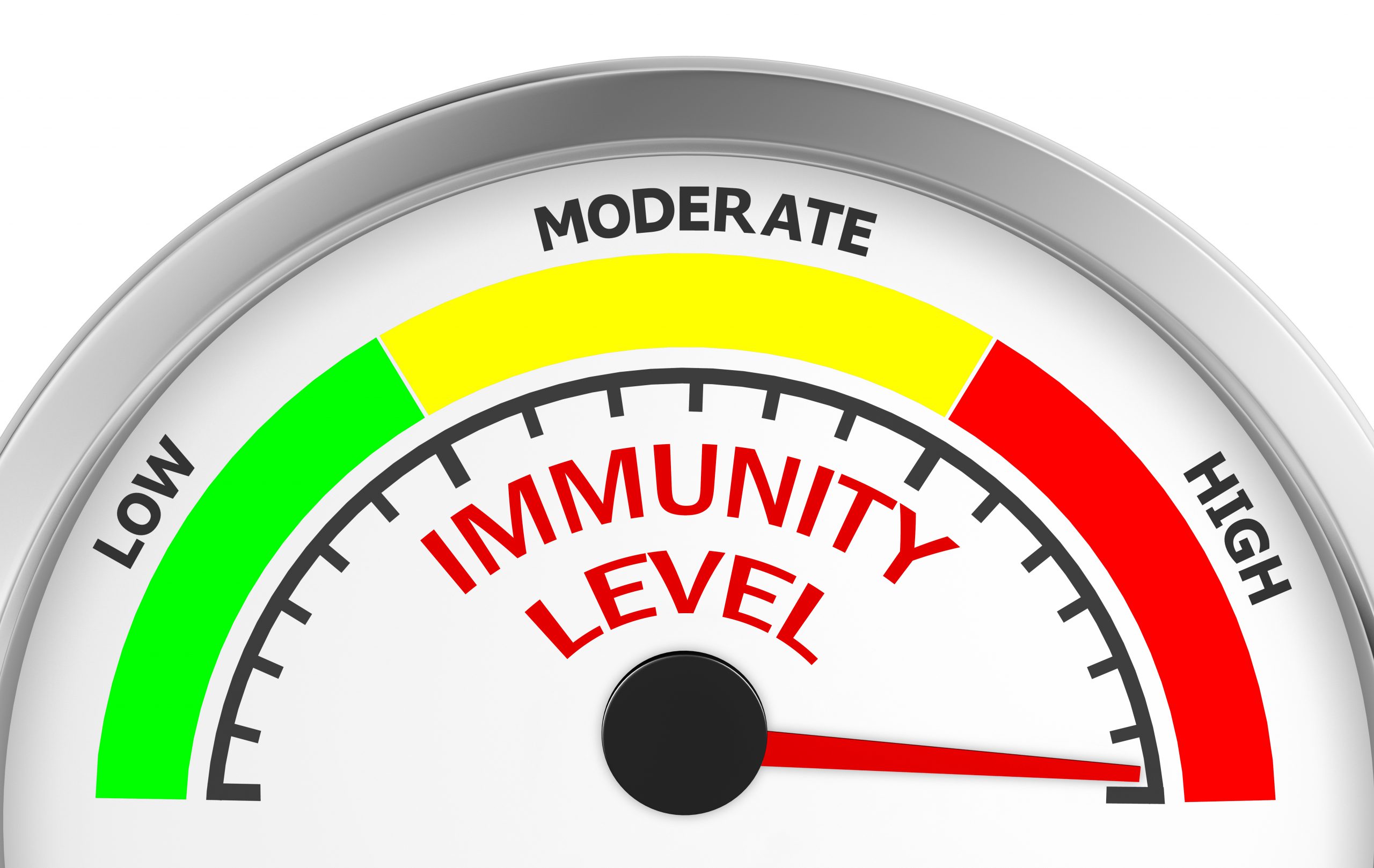 inappropriate reactions to foods can cause chronic health disorders and discomfort. This article will be focusing on food allergies in particular, which is not the same as a food sensitivity; however they do share a similar underlying dysfunction. Both involve an immune system that is out of balance and struggling to maintain healthy and appropriate expression. In either case, the immune system is responsible for the unpleasant reactions that sufferers experience. Let’s take a different look at how the immune system can possibly be made more “stable” and exhibit a more appropriate (less reactive) response to the foods we eat.
Food Allergy
According to the AAAI / American Academy of Allergy Asthma and Immunology; “If you have a food allergy, your immune system overreacts to a particular protein found in that food.” The key point here is that the immune system overreacts. Food allergies are the result of an exaggerated reaction of the immune system. If someone has an allergy to peanuts their immune system is responding to proteins found in peanuts and produces antibodies (IgE antibodies) against those proteins. These antibodies attach themselves to special cells that contain a chemical called histamine which gets released into the body; thus causing allergy symptoms. A food allergy is really a malfunction of the immune system because it is mounting an attack against a harmless substance; in this case peanuts. The immune system should instead be on the lookout for dangerous things in the body like bacteria and viruses; not everyday foods. For many people, food allergies are an uncomfortable, yet harmless reaction too foods but for others the reaction can be life-threatening. Common food allergies include:
- Wheat
- Nuts
- Eggs
- Milk
- Fish
- Peanuts
- Soy
- Shellfish
Many people think they have a food allergy when in fact they actually have a food sensitivity. Sometimes the symptoms of a food allergy can be same symptom of a food sensitivity. Laboratory testing can help determine which type of immune system reaction you are experiencing.
Common symptoms of food allergy include:
- Itchy skin
- Hives
- Stuffy or runny nose
- Sneezing
- Watery eyes
- Swelling
- Nausea, vomiting or stomach cramping
- Tingling of the face, tongue, hands or feet
- Difficulty breathing or wheezing
- Throat tightness
Food Allergy Treatment
In medicine today, the best treatment for food allergies is to simply avoid the offending foods. When this is not possible and if reactions are mild, antihistamines are often prescribed. For more serious reactions epinephrine is used as needed.
These medications help the body cope with the exaggerated and inappropriate immune system response to foods. Remember earlier when we said that histamine is being released from special cells and that this is what is causing the symptoms of food allergy? These medications are helping the body to deal with an excess of histamine being released by these cells; called mast cells and basophils.
Does the body produce a powerful antihistamine of its own? Yes it does, and it is called epinephrine. Epinephrine is an extremely powerful antihistamine which is why it is the drug of choice for severe food allergy reactions and this is the same chemical found in the EpiPen. So is it possible that those who are suffering from food allergies may not be producing enough of their own epinephrine?
We believe so, and this is why; epinephrine is produced in the body from other chemicals called norepinephrine and dopamine. Dopamine and norepinephrine are very important chemicals in the body and serve many different functions. They act as neurotransmitters and so play a very important role in normal brain and neurological function as well as being involved in immune system regulation.
The order in which these chemicals are produced in the body goes like this; first, dopamine is produced and from dopamine, norepinephrine can be produced and then from norepinephrine, epinephrine can be produced.
Dopamine >>> Norepinephrine >>> Epinephrine
So if anywhere along this production line dopamine or norepinephrine are in limited supply; this can affect amount of epinephrine that is ultimately produced. 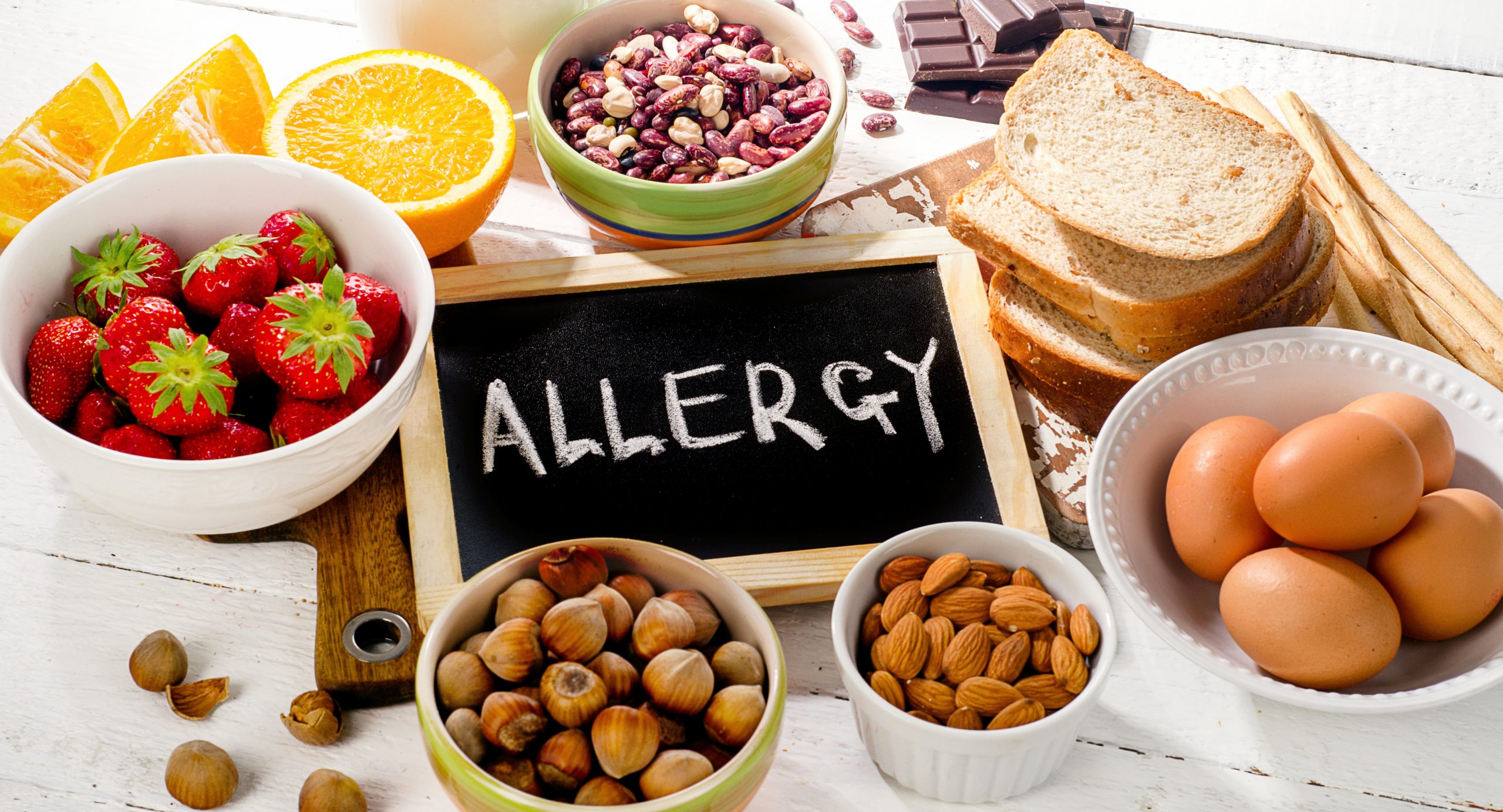 There are many possible reasons why someone may not be able to produce enough of these vital chemicals and there are a great many heath disorders that can be attributed to their deficiency. Looking for signs or symptoms of poor production of these chemicals would be part of a functional medicine assessment in our office. In addition to the very powerful antihistamine properties of such chemicals, they also play a vital role in immune system regulation. This is so important because it takes into account the beginning and the end of the food allergy process; food allergy begins with poor immune system regulation and ends in excessive histamine being released. Identifying and addressing low levels of these vital chemicals can be very beneficial not only to those suffering with food allergies but those struggling with food sensitivity.
Food Sensitivity
Food sensitivity is a bit more complicated than food allergy and could be referred to as a non-IgE mediated food allergy. This means that once again, the immune system is reacting in an in appropriate manner to non-harmful proteins (food). It can be difficult to identify food sensitives because the immune system response is generally not as abrupt as a true food allergy and there is a much broader scope of possible symptoms. To put it another way, food sensitivities tend to be more chronic, less obvious and less acute than a food allergy and it may take up to 48 hours before the reaction is experienced. While food allergies are common, more people suffer from food sensitivities and most don’t even know their health problems are being caused by foods. Blood tests can be helpful in identifying food sensitivities but these tests are looking for immune system responses that are not due to IgE antibodies. Identifying and avoiding food sensitivities can have a significant impact on one’s health but once again, taking an integrative medicine approach, we would also want to assess the status of dopamine, norepinephrine and epinephrine production in the body. Low levels of these chemicals can actually cause many health problems that have erroneously been linked to food sensitivity.
Your food allergy or food sensitivities may be due to particular foods or a more fundamental problem; low production of immune-regulating and histamine suppressing chemicals that should be produced abundantly in your body.
If you would like more information on integrative medicine, functional medicine, Dr. Sexton or food allergies and sensitivities go to napervilleintegratedwellness.com or contact our Naperville office today.
Do your own research, inform yourself and ask lots of questions. When collecting information you MUST consider the source. There is no shortage of false, misleading, outdated, profit-driven and utterly biased information in healthcare today; even from the most respected sources.