
Naperville Integrated Wellness
NAPERVILLE'S TOP RATED LOCAL® FUNCTIONAL MEDICINE FACILITY

Kidney Inflammation Specialist: Functional Medicine Approaches to Nephritis
Kidney inflammation, or nephritis, is often a silent disruptor—gradually impacting one of the body’s most vital systems without immediate warning signs. Our kidney inflammation specialist understands the importance of taking care of this key organ now. Because the kidneys influence everything from fluid balance and detoxification to blood pressure and cellular health, even subtle dysfunction can have far-reaching effects on overall wellness. At Naperville Integrated Wellness, the focus goes beyond surface-level treatment, taking a deeper look at what’s truly driving inflammation and how to restore proper kidney function naturally. Understanding the early signals, root causes, and long-term implications of kidney inflammation is the first step toward protecting your health and preventing more serious complications. Learn more from Dr. Sharon Borkowski about natural solutions for Kidney inflammation now.
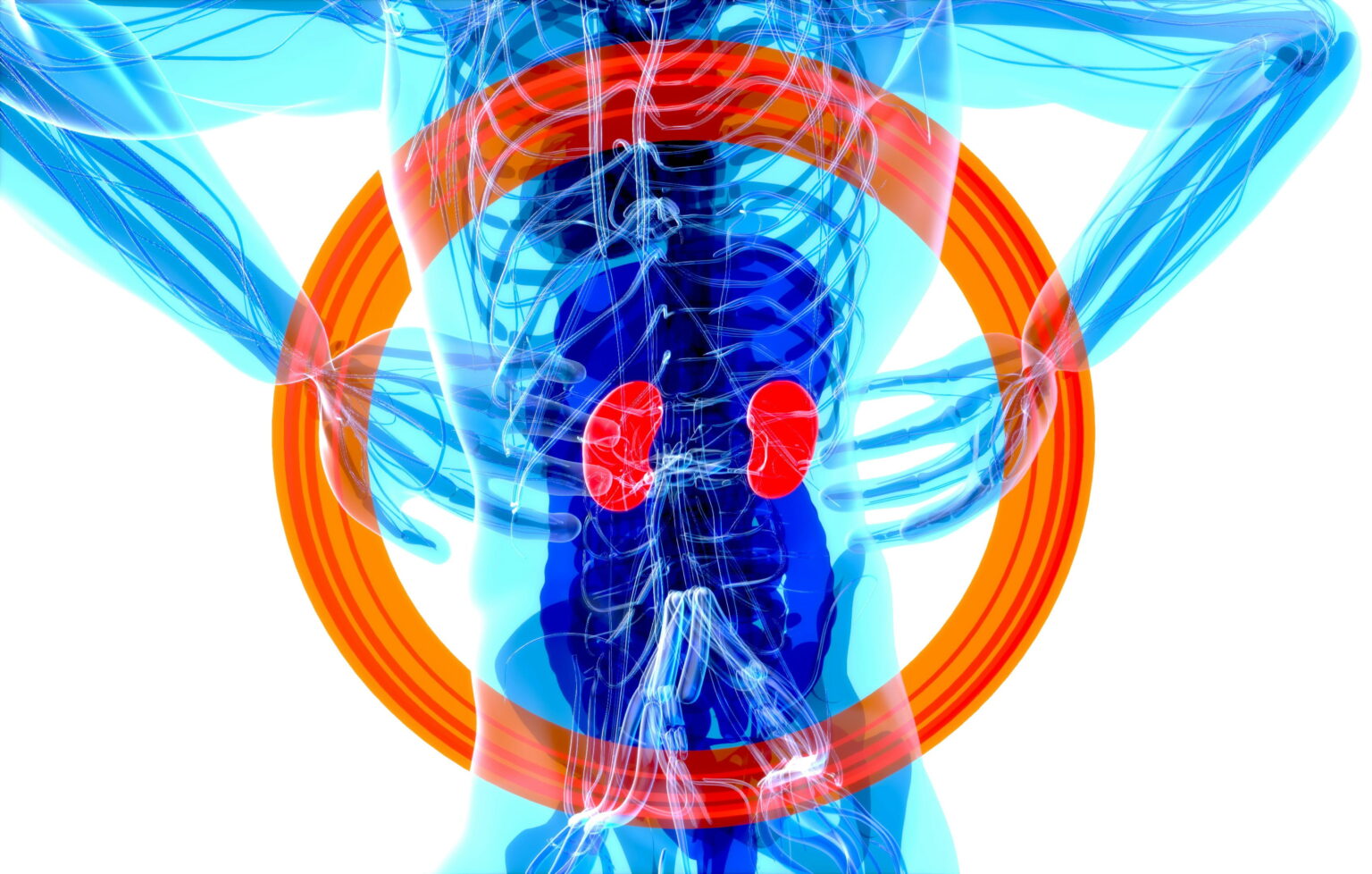
Understanding Kidney Inflammation with a Kidney Inflammation Specialist
Kidney inflammation, or nephritis, develops in both acute and chronic forms, each requiring a different level of attention and care. Acute nephritis can appear suddenly due to infections, medications, or immune responses, while chronic nephritis progresses quietly over time, often without obvious symptoms. Contributing factors such as autoimmune activity, lingering infections, toxin exposure, high blood pressure, and metabolic conditions like diabetes can all place continuous stress on the kidneys. Working with a specialist helps identify which of these underlying drivers are present and how they are impacting overall kidney function before the condition advances.
How Kidney Inflammation Impacts Function Over Time
As inflammation persists, it begins to damage the nephrons—the kidney’s essential filtration units responsible for removing waste and maintaining fluid and electrolyte balance. When these structures are compromised, the body’s ability to regulate internal systems becomes less efficient, leading to a buildup of toxins and imbalances that affect more than just the kidneys. This can trigger widespread inflammation, place additional strain on the cardiovascular system, and gradually reduce overall kidney performance, often without immediate or obvious warning signs. One of the most challenging aspects of kidney inflammation is that measurable changes in standard lab values, such as creatinine or eGFR, often appear only after meaningful damage has already occurred. This delay makes early identification critical, as subtle dysfunction can exist long before it is detected through conventional testing. Addressing kidney inflammation at its earliest stages allows for more effective intervention, helping to slow or prevent long-term decline while preserving overall health and function. Kidney inflammation often develops without a single defining symptom, instead presenting as a collection of subtle changes that can easily be overlooked or attributed to other conditions. Because the kidneys influence multiple systems in the body, early signs tend to appear gradually and in combination, making it difficult to recognize the underlying issue without a deeper evaluation. One of the earliest and most telling signs of kidney inflammation involves changes in urination. Blood in the urine (hematuria) may indicate irritation or damage within the kidney’s filtration system, while foamy urine can signal protein loss due to compromised filtration barriers. Shifts in frequency, urgency, or volume often reflect the kidneys’ declining ability to regulate fluid balance effectively. Inflammation within the kidneys can lead to a persistent, dull ache in the flank or lower back area. Unlike sharp or acute pain, this discomfort is often constant and easily dismissed, but it may point to ongoing irritation or swelling within the kidney structures that should not be ignored. As kidney function becomes impaired, the body may begin retaining excess fluid, leading to noticeable swelling in the hands, feet, ankles, or face. This fluid buildup occurs when the kidneys can no longer properly regulate sodium and fluid balance, causing pressure to increase within tissues. Kidney inflammation doesn’t just affect localized areas—it can create widespread systemic effects. Persistent fatigue, reduced stamina, and brain fog are common as metabolic waste accumulates and the body struggles to maintain internal balance, impacting both physical energy and cognitive function. Because the kidneys play a major role in blood pressure regulation, inflammation can directly contribute to elevated or worsening hypertension. This added cardiovascular strain can further accelerate kidney dysfunction, creating a cycle that impacts overall heart and vascular health. As toxins build up in the bloodstream due to reduced filtration efficiency, digestive symptoms such as nausea and a decreased appetite may develop. These changes reflect the body’s struggle to manage waste and maintain metabolic stability. From a functional medicine standpoint, these symptoms are interconnected rather than isolated events. They reflect a deeper pattern of chronic inflammation, immune system imbalance, and metabolic dysfunction, all of which must be addressed together to restore proper kidney health and overall physiological balance. Autoimmune-driven kidney inflammation occurs when the body mistakenly targets its own renal structures, leading to ongoing tissue damage. Conditions such as lupus nephritis and IgA nephropathy trigger immune complexes to accumulate within the kidneys, disrupting normal filtration and promoting chronic inflammatory responses that can worsen without proper management. Recurring infections place continuous stress on the immune system, which can spill over into the kidneys. Frequent urinary tract infections or lingering low-grade infections elsewhere in the body can keep the immune system in a heightened state, increasing the likelihood of inflammatory activity affecting kidney function over time. Imbalances in blood sugar regulation and insulin sensitivity play a significant role in kidney health. Insulin resistance and fluctuating glucose levels can damage small blood vessels within the kidneys, impairing their ability to filter efficiently and contributing to a pro-inflammatory internal environment. The kidneys rely heavily on stable blood flow to function properly, making them especially vulnerable to prolonged high blood pressure. Chronic hypertension can strain and damage delicate renal blood vessels, reducing filtration capacity and accelerating inflammatory processes within the kidneys. Exposure to certain substances can place a toxic burden on the kidneys, particularly when exposure is ongoing. Long-term use of medications like NSAIDs, along with environmental toxins or heavy metals, can interfere with normal kidney function, leading to irritation, reduced detoxification capacity, and increased inflammation. A sustained inflammatory state within the body amplifies kidney damage through the release of inflammatory cytokines and the accumulation of oxidative stress. Elevated free radicals can directly injure kidney cells, weakening their structure and function while promoting further inflammation in a self-perpetuating cycle. When these factors overlap, they create an internal environment where inflammation is constantly triggered and poorly resolved. This ongoing stress not only damages the kidneys’ filtration units but also disrupts the body’s broader regulatory systems, making early identification and intervention essential for preserving long-term kidney function. In the presence of chronic blood sugar elevation, the kidneys are forced to filter excess glucose, which gradually damages the glomeruli responsible for waste filtration. Over time, this leads to increased permeability, allowing protein to leak into the urine and reducing the kidneys’ ability to function efficiently, ultimately contributing to progressive decline if not properly managed. Elevated blood pressure places continuous force on the delicate blood vessels within the kidneys, impairing their ability to filter blood effectively. This vascular stress not only reduces filtration capacity but also accelerates structural damage, creating a cycle where declining kidney function can further worsen blood pressure control. When the immune system becomes dysregulated, it may mistakenly target healthy kidney tissue, triggering ongoing inflammation and tissue damage. Conditions such as autoimmune-related nephritis can lead to persistent immune activation, making it difficult for the kidneys to heal without addressing the underlying immune imbalance. The health of the gut plays a significant role in systemic inflammation, and disruptions in the microbiome can directly impact kidney health. Imbalances in gut bacteria can lead to increased production of inflammatory compounds and greater intestinal permeability, allowing toxins to enter circulation and further burden the kidneys, reinforcing the cycle of inflammation across multiple systems. At Naperville Integrated Wellness, addressing kidney inflammation goes beyond temporary symptom relief. Our functional medicine approach emphasizes a thorough understanding of each patient’s unique physiology, creating a foundation for long-term kidney health and overall well-being. Our process begins with an in-depth evaluation, including advanced lab work to examine kidney function, inflammatory markers, and metabolic health. Combined with a detailed health history, lifestyle review, and assessment of environmental exposures, this comprehensive picture allows us to uncover hidden contributors to kidney stress that standard evaluations may overlook. Rather than simply managing symptoms, we focus on pinpointing the underlying drivers of kidney inflammation. This includes identifying systemic imbalances, dysregulated organ systems, and environmental or lifestyle factors that perpetuate chronic kidney stress, so that interventions target the source rather than just masking the effects. Every plan is tailored to the individual, combining nutritional guidance, targeted supplementation, and lifestyle strategies designed to support renal function. By addressing chronic drivers such as systemic inflammation, gut dysbiosis, oxidative stress, and metabolic instability, we help patients restore kidney health and reduce the risk of progressive damage over time. This approach ensures that treatment is both strategic and sustainable—rather than reactive. Protecting kidney function requires a consistent, multi-layered approach that reduces inflammation, supports filtration, and improves overall metabolic balance. Daily habits—from nutrition and hydration to stress management and sleep—directly influence how well the kidneys can perform their role, making lifestyle strategy a foundational component of long-term kidney health. A diet centered around whole, nutrient-dense foods provides the antioxidants and micronutrients needed to combat inflammation and oxidative stress within the kidneys. Emphasizing vegetables, clean proteins, and healthy fats while minimizing processed foods, excess sodium, and inflammatory ingredients helps reduce the burden on renal filtration and supports more stable internal chemistry. Proper hydration is essential for maintaining efficient kidney filtration and flushing metabolic waste, but it must be carefully balanced based on individual kidney function. Too little fluid can concentrate toxins, while excessive intake in compromised kidneys may create additional strain, making personalized hydration strategies especially important. Chronic stress elevates cortisol and inflammatory signaling, both of which can negatively impact blood pressure and kidney function over time. Incorporating practices such as meditation, breathwork, and nervous system regulation helps lower this physiological stress response, creating a more stable internal environment for kidney repair and function. Consistent movement enhances blood flow, supports cardiovascular health, and improves metabolic efficiency, all of which contribute to better kidney performance. Exercise also promotes lymphatic circulation, helping the body clear waste more effectively and reducing systemic inflammation that can affect renal tissues. Strategic use of supplements can provide additional support for kidney health by addressing inflammation, oxidative damage, and gut imbalance. Renal-support nutrients, anti-inflammatory compounds, and probiotics can help reinforce the body’s natural detoxification pathways while supporting overall systemic balance when used appropriately. Quality sleep is critical for regulating inflammation, hormone balance, and cellular repair processes throughout the body, including the kidneys. Inadequate or disrupted sleep can increase inflammatory markers and impair recovery, making consistent, restorative sleep a key factor in maintaining and improving kidney health over time. A functional medicine approach to kidney inflammation focuses on correcting the underlying imbalances driving the condition rather than masking symptoms, leading to more meaningful and sustainable improvements over time. By addressing factors like inflammation, metabolic dysfunction, and toxin exposure, patients often begin to see changes not just in how they feel day to day, but in how their body functions at a deeper level. As underlying inflammation is reduced and kidney function is better supported, many individuals experience noticeable improvements in common symptoms associated with nephritis. Fluid retention often decreases as the kidneys regain better regulation of fluid balance, energy levels begin to rebound as metabolic efficiency improves, and urinary patterns become more stable and predictable, signaling improved filtration and waste elimination. Beyond symptom changes, functional care frequently leads to measurable improvements in key health indicators. Markers related to kidney function may begin to stabilize or improve, inflammatory markers can decrease, and blood pressure often becomes easier to manage as vascular and renal systems start working more efficiently together. Perhaps the most significant benefit of a root-cause strategy is its impact on long-term health. By slowing or even halting the progression of kidney damage, patients may reduce their reliance on medications and avoid more advanced interventions. This proactive approach supports not only kidney function but overall vitality, helping individuals maintain a higher quality of life with greater stability and confidence in their health trajectory. Taking control of your kidney health starts with making a proactive decision before symptoms progress or long-term damage sets in. At Naperville Integrated Wellness, every patient is guided through a thoughtful, personalized process designed to uncover what’s truly impacting kidney function and how to correct it effectively. If you’re ready to move beyond uncertainty and take a targeted, root-cause approach to your health, now is the time to act. Schedule your consultation today and gain the clarity, strategy, and expert support needed to protect your kidneys and restore balance for the long term.Why Early Detection of Kidney Inflammation Matters
Symptoms of Kidney Inflammation
Urinary Changes
Pain or Discomfort
Swelling (Edema)
Systemic Symptoms
Cardiovascular Indicators
Digestive and Appetite Changes
Functional Medicine Perspective
Causes and Contributing Factors of Inflamed Kidneys
 Kidney inflammation typically develops from a combination of internal and external stressors rather than a single root cause, with multiple systems in the body contributing to a gradual breakdown in renal function. Over time, immune activation, metabolic imbalance, and environmental exposures can compound, creating conditions where inflammation becomes persistent and progressively damaging to kidney tissue.
Autoimmune Conditions
Chronic Infections
Metabolic Dysfunction
Cardiovascular Stress
Toxins and Medications
Chronic Inflammation and Oxidative Stress
Cumulative Impact on Kidney Health
Chronic Conditions That Worsen Kidney Inflammation
Hypertension
Autoimmune Disorders
Gut Dysfunction
Functional Medicine and Kidney Inflammation
Comprehensive Kidney Assessment
Root-Cause Identification of Kidney Inflammation
Personalized Treatment Plans for Kidney Issues
Natural and Lifestyle Strategies for Supporting Kidney Health
 Anti-Inflammatory Nutrition
Hydration
Stress Regulation
Physical Activity
Targeted Supplementation
Sleep Optimization
Natural Solutions and Benefits of Functional Medicine Kidney Care
Kidney Symptom Relief
Improved Lab Markers
Long-Term Outcome
Book A Kidney Inflammation Specialist Appointment in Naperville