Naperville Integrated Wellness
NAPERVILLE'S TOP RATED LOCAL® FUNCTIONAL MEDICINE FACILITY

Understanding Bilirubin: Natural Strategies to Support Liver Health
When reviewing blood work, many people focus on cholesterol, blood sugar, or thyroid markers. However, one often-overlooked marker can provide valuable insight into liver function, detoxification, inflammation, and overall metabolic health: bilirubin.
Bilirubin is a yellow pigment produced during the normal breakdown of red blood cells. As older red blood cells are recycled, bilirubin is formed and transported to the liver, where it is processed and eliminated through bile and the digestive tract.
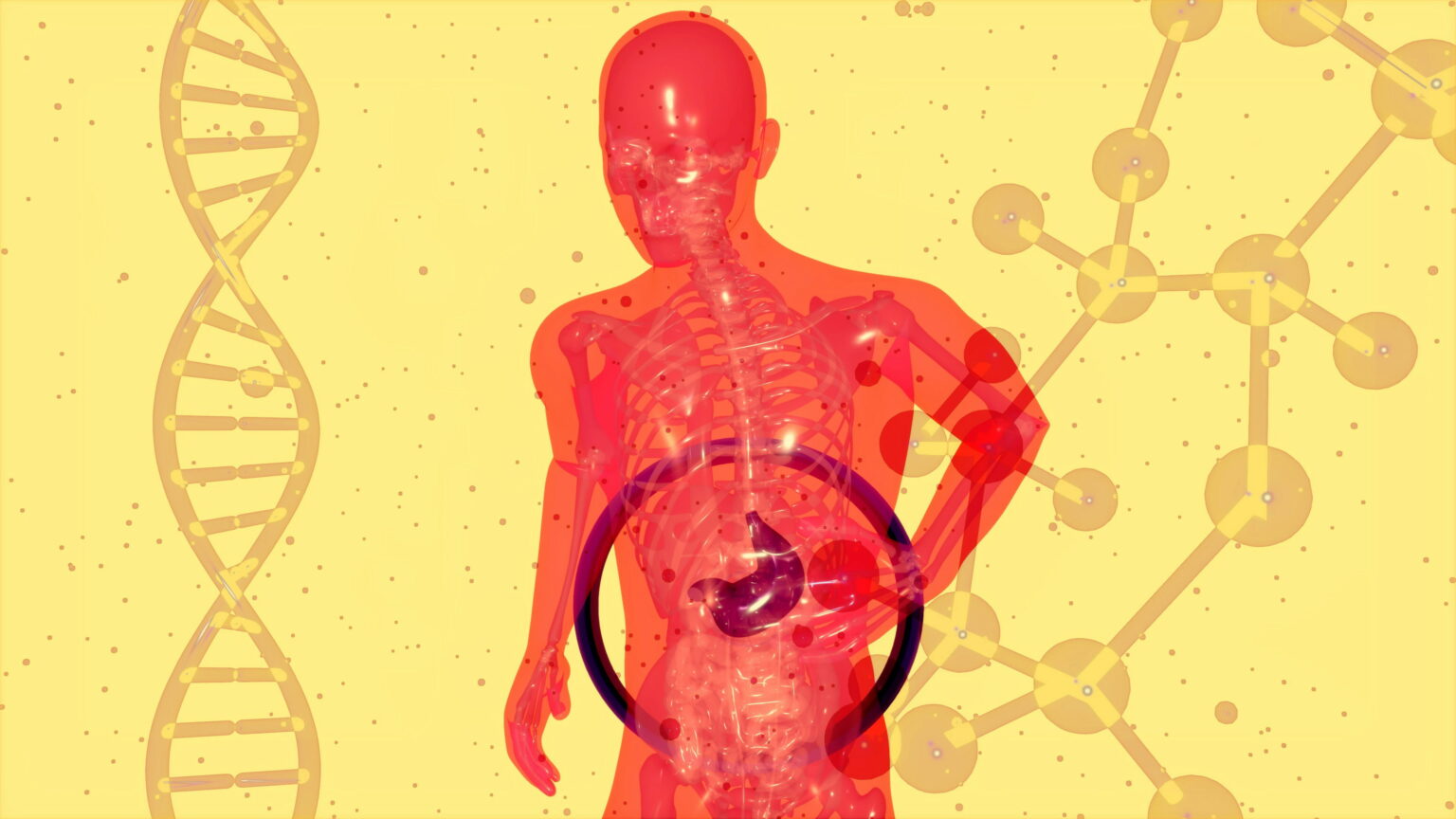
Bilirubin Results: What High or Low Levels Mean
While bilirubin is commonly associated with jaundice and liver disease, abnormal levels can reveal much more about what is happening inside the body. Elevated bilirubin may signal liver stress, impaired bile flow, chronic inflammation, or excessive red blood cell breakdown. Low bilirubin, although discussed less frequently, may also provide clues about oxidative stress, nutrient deficiencies, and metabolic imbalance. At Naperville Integrated Wellness, we take a functional medicine approach to laboratory findings. Rather than simply treating lab numbers, we focus on identifying the underlying causes contributing to abnormal results and supporting long-term health through personalized care. Bilirubin plays several important roles in maintaining health. Bilirubin is created when hemoglobin from aging red blood cells is broken down and recycled by the body. The liver processes bilirubin and prepares it for elimination through bile, helping remove waste products from the body. Because bilirubin is processed by the liver and excreted through bile, it serves as an important indicator of: Research suggests bilirubin also acts as a natural antioxidant when present in healthy amounts, helping protect cells from oxidative damage and chronic inflammation. High Bilirubin: Causes and Implications Elevated bilirubin levels can occur for numerous reasons, ranging from mild and temporary issues to more significant health concerns. Elevated bilirubin levels can result from liver dysfunction, impaired bile flow, increased red blood cell breakdown, or medication-related liver stress, and may signal underlying issues affecting liver, gallbladder, pancreas, kidneys or metabolic health that warrant further evaluation. When the liver becomes inflamed or damaged, bilirubin processing may become impaired. Examples include: Problems with bile flow can cause bilirubin to accumulate. Potential causes include: When red blood cells break down faster than normal, bilirubin production increases. Examples include: Some medications can affect liver function and bilirubin metabolism, including: Individuals with elevated bilirubin may experience: Not everyone will experience symptoms, which is why routine blood work can be an important early warning sign. Persistent elevations may indicate: Without addressing the underlying cause, these issues may contribute to broader health challenges over time. At Naperville Integrated Wellness, elevated bilirubin prompts additional questions: Finding the root cause allows for more targeted and effective solutions. Low bilirubin receives much less attention than high bilirubin, but it may still provide meaningful insight into overall health. Some individuals may experience: Bilirubin serves as one of the body’s natural antioxidants. When bilirubin levels are excessively low, the body may have: Low bilirubin should never be viewed in isolation. Questions worth exploring include: The goal is to identify the deeper physiological factors contributing to the imbalance. Potential signs and symptoms include: Because these symptoms overlap with many conditions, proper testing and evaluation are critical. At Naperville Integrated Wellness, bilirubin is evaluated within the larger context of the individual’s health. The primary goal is determining whether the bilirubin imbalance is related to: Treatment plans are tailored to each individual’s needs and may focus on: Supporting healthy bilirubin levels and liver function often involves a combination of nutrient-dense foods, proper hydration, healthy lifestyle habits, targeted supplementation, gut health optimization, and reducing environmental stressors to promote long-term wellness and disease prevention. Foods that support liver health include: These foods provide antioxidants and phytonutrients that support healthy detoxification pathways. Adequate water intake supports: Even mild dehydration may increase metabolic stress. Healthy lifestyle practices remain foundational. Important priorities include: Supplement recommendations should always be individualized. Reducing toxic burden may help support healthy liver function. Strategies include: The gut and liver are closely connected through the gut-liver axis. Supporting the microbiome may improve: A healthier gut often supports a healthier liver. Abnormal bilirubin levels may serve as an early warning sign that the body is under stress. Addressing root causes early may help reduce the risk of: Rather than waiting for disease to develop, a proactive and individualized approach can help support long-term health and resilience. Bilirubin is far more than a routine laboratory marker. It provides valuable information about liver function, bile flow, red blood cell health, inflammation, antioxidant status, and overall metabolic balance. Both elevated and low bilirubin levels can offer important clues about underlying health concerns. By identifying root causes and addressing contributing factors, it is often possible to improve not only laboratory markers but overall health outcomes as well. At Naperville Integrated Wellness, we take a comprehensive functional medicine approach to uncovering the causes of bilirubin imbalances and developing personalized strategies that support liver function, reduce inflammation, and promote long-term wellness. If you’ve been told your bilirubin is abnormal—or if you’re struggling with fatigue, digestive symptoms, inflammation, or unexplained health concerns—schedule a consultation today.What Bilirubin Does in the Body
Red Blood Cell Recycling
Waste Removal
Liver and Gallbladder Function
Antioxidant Protection
Common Causes of High Bilirubin
Liver Dysfunction
Bile Duct Obstruction
Excessive Red Blood Cell Breakdown
Medication Effects
Symptoms of High Bilirubin
Chronic Implications of High Bilirubin
Functional Medicine and High Bilirubin
Low Bilirubin: Causes and Implications
Potential Causes of Low Bilirubin
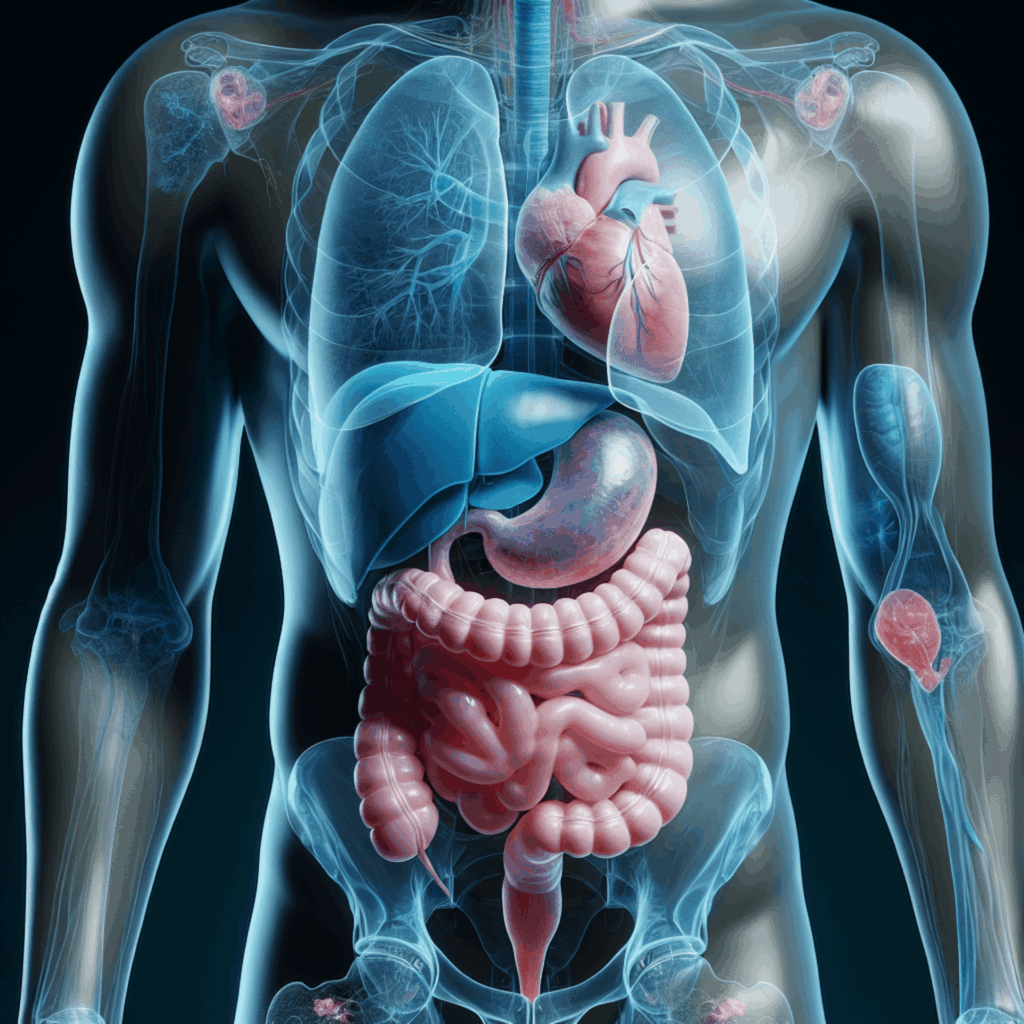 Possible contributors include:
Symptoms Associated with Low Bilirubin
Why Low Bilirubin Matters
Functional Medicine and Low Bilirubin
Signs You May Have a Bilirubin Imbalance
Energy-Related Symptoms
Digestive Symptoms
Physical Signs
Immune and Inflammatory Signs
Functional Medicine to Balancing Bilirubin
Comprehensive Assessment May Include
Liver Function Testing
Metabolic Assessment
Inflammatory Assessment
Additional Evaluation
Identifying Underlying Causes
Personalized Treatment Plans
Natural Solutions to Support Healthy Bilirubin Levels
Nutrition
Hydration
Lifestyle Habits
Targeted Supplements
 Depending on individual needs, supportive supplements may include:
Environmental Awareness
Gut Health Support
Prevention and Long-Term Health
Schedule A Bilirubin Consultation In Naperville