
Naperville Integrated Wellness
NAPERVILLE'S TOP RATED LOCAL® FUNCTIONAL MEDICINE FACILITY

Women’s Hormone Health
DO YOU SUFFER WITH SYMPTOMS OF HORMONE IMBALANCE?
Many women in their mid-30’s to their mid-50s come into my office with symptoms associated with hormone health. Even if you don’t presently have symptoms, this article will help you get a better understanding about. Our Naperville hormone specialist dives a bit deeper in women’s hormone health and the benefits of functional medicine. Learn more about hormone testing for women in Naperville now.
- Women’s hormones and what is happening during hormonal changes,
- Different types of hormone testing and when it makes sense to be tested,
- Symptoms of hormonal imbalance, and
- Conventional as well as functional medicine treatment options
HORMONE TESTING FOR WOMEN IN NAPERVILLE
The hormone testing for women that we will be referring to in this article include the following: estrogen, progesterone, testosterone, thyroid hormones and cortisol.
Testing for estrogen, progesterone, testosterone and cortisol hormones can be done in 3 different ways, all of which have their pros and cons. The first is blood testing. This is the agreed upon standard used by conventional doctors. The advantage of this method is you go to a lab and get a quick and simple blood test. Proponents of this method think this is the best overall assessment. The 2nd type of testing is via urine. The 3rd type of testing is via saliva. There is evidence that salivary or urinary levels are a more accurate reflection of hormone activity and are measured at multiple times or over a period of time which will reflect the fluctuations during the course of a day.
Thyroid testing is done via blood testing and includes the following: thyroid stimulating hormone, total T4, Total T3, free T4, free T3 and reverse T3.
HORMONES AND HORMONE TESTING AS WE AGE
Hormone testing should be done when you are experiencing symptoms of hormone imbalance and some of these symptoms include the following:
- Irregular and/or heavy menstrual bleeding
- Acne (cystic, cyclical and/or persistent)
- Excessive fatigue and/or Brain fog
- Mood swings/intolerance of others
- Insomnia/sleep disturbance
- Digestive problems (IBS, bloating, gas, constipation/diarrhea)
- Sex drive changes (low libido)
- Unexplained hair loss or hair growth in unusual places
- Immune system problems (frequent illness, inflammation, pain)
- Weight gain/inability to lose weight with significant effort to do so
Most hormone problems are managed by traditional medicine with only 1 solution…take more hormones!!! To make matters worse, women are usually prescribed synthetic forms of these hormones and contrary to what you have been told, they don’t provide the same health benefits that your natural hormones do.
Functional medicine takes an extremely different approach to hormone imbalance, compared to a traditional medicine approach.

Functional medicine takes an extremely different approach to hormone imbalance, compared to the traditional medicine.
A functional approach looks at the interplay with various hormones looking to identify the underlying imbalance. Not every ‘hormone’ problem solution should be about giving you hormones! In fact, often, giving hormones often does not even correct the symptoms. Why? Because the solution to this complex problem is just not that simple! In fact, adding synthetic hormones to the mix may worsen or complicate the problem.
Provided you still have your ovaries, the best solution is to get your hormone regulating system healthy again; not ignore the fact it is “broken” and flood your body with synthetic and potentially health-damaging chemicals.
I could keep going, but hopefully this gives you some idea how important your hormones are for healthy body function.
Hormone Therapy/HRT for Women
When hormone replacement is determined to be a necessary component of a functional medicine plan, it is important to consider all the risks and benefits. In addition, monitoring hormone levels is an important component. In addition, natural rather than synthetic hormones should be used, if possible.
Hormone Therapy/HRT for Menopause
For some women who have entered menopause, hormone therapy may be a necessary part of treatment. Again, natural hormones, using the lowest dosage possible will be the best course of action.
Hormone Therapy/HRT for women in Naperville
At Naperville Integrated Wellness, we specialize in women’s health. We will evaluate all possible causes of your hormonal imbalances to get to the root cause of your symptoms. We will utilize natural hormones when appropriate and necessary.
Functional Medicine: Looking for the Root Cause
Since most hormone problems are the result of poor hormone production and regulation, let’s start with the first step of hormonal balance…regulation.
Hormone Regulation
You might be surprised to learn that hormone regulation begins in your brain of all places. There is a structure in your brain called the hypothalamus and this is the control center for many bodily functions, including hormone regulation. Your hypothalamus receives information from your body regarding hormone status and based on this information it sends orders to a very important structure attached to your brain called the pituitary gland. Your pituitary gland is often referred to as the “master gland” because controls many other structures including your ovaries, thyroid and adrenal glands. In the case of your ovaries; the orders begin with the hypothalamus which controls the pituitary which sends hormones to your ovaries instructing them to make your hormones.
Hypothalamus >>> Pituitary gland >>> Ovaries >>> Hormones
When each link in the hormone chain is healthy and balanced, you will experience optimum hormone health. Functional medicine doctors that work with hormone regulation understand this chain can break down at different links. Let’s look at some of the most common problems that will break this chain of health.
Inflammation
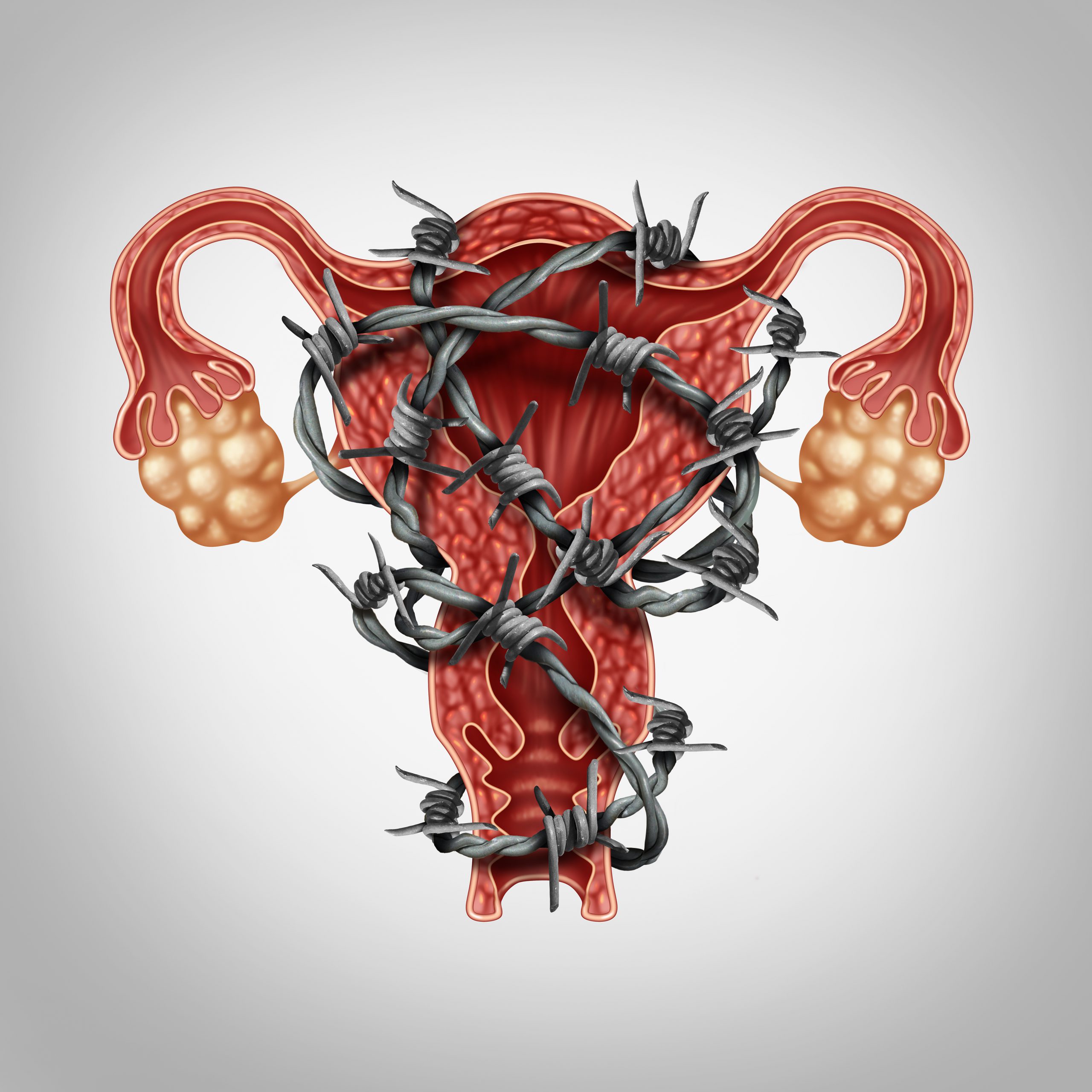
Chronic inflammation is a very common disruptor of hormone regulation. You may be experiencing chronic inflammation and not even know it. Pain is only one possible symptom of inflammation, so it is not a reliable inflammation gauge. Inflammation disrupts communication to and from the hypothalamus. Inflammation can actually cause a break in in any of the links of the hormone chain. The most common source of inflammation is food. Too many sugars and carbohydrates can cause inflammation, as do food sensitivities. Inflammation is like wrapping your organs in barbed-wire…causing dysfunction and damage wherever it goes.
Neurotransmitters
Neurotransmitters include chemicals like serotonin, dopamine, norepinephrine, etc. In this case we are very interested in dopamine and norepinephrine. These neurotransmitters not only play a vital role in hormone regulation, they have a significant impact on your mood! Your brain makes dopamine which helps control the function of another hormone-regulating hormone in your pituitary called prolactin. From dopamine your brain produces norepinephrine, which plays a vital role in hormone regulation at the hypothalamus. Many factors can cause changes in these neurotransmitters including antidepressants, chronic stress and yes, inflammation.
Stress
Stress can interfere with hormone regulation for several reasons, but I will comment on three of them. First, stress leads to more inflammation; this become a vicious circle of stress, inflammation, stress, inflammation. Second, stress can deplete dopamine and norepinephrine. These are your “stress” neurotransmitters and they help you cope with different forms of stress. Third, stress stimulates your adrenal glands which leads to cortisol and DHEA imbalances. Cortisol is a steroid hormone produced by your adrenal glands that affects inflammation and blood sugar. DHEA is an androgen hormone (male hormone). Too much stress causes changes in the levels of these powerful chemicals which interfere with hormone regulation and balance.
Liver /Gut Health
Once hormones are produced, excess hormone needs to be effectively eliminated from your body. You must have good liver and digestive health for this to occur. The liver prepares excess hormone for elimination. The digestive tract is the route of elimination. Poor gut health can cause hormones to not be eliminated and return to circulation in the body; this is particularly important for estrogen balance.
Hormone Replacement / Hormone Birth Control
Many women are put on birth control to “regulate” their hormones. This is NOT what is happening! The synthetic hormones that are prescribed are masking the hormone-imbalance symptoms you are experiencing. It is an “easy” solution or “hormone Band-Aid” but is not restoring normal function to one of your most important systems. Your body must run through an entire menstrual cycle (including ovulation) in order to produce optimum estrogen and progesterone levels. If you do not ovulate, you will not produce progesterone. If you are taking birth control pills or other forms of hormone replacement, then you are not going through this normal cycle and your body is not producing the hormones it needs to function normally. Some IUD devices like Mirena may permit ovulation to occur sometimes in some women. The bottom line is that having a normal menstrual cycle plays a major role in your overall health.
Troublesome cycles are usually due to a break in one of the links mentioned above. Taking hormones to “fix” a hormone problem is rarely the best solution. Is it easy? Yes. Is it the solution that is best for your health? In most cases, no.
Restoring hormone health is very important if you want your body to work properly. Your main “regulating” systems are the nervous system, endocrine system (hormones) and immune system.
None of them work alone and they all influence each other.
Naperville Hormone Specialist and Functional Medicine
We are Naperville Integrated Wellness, and we specialize in identifying and treating hormone imbalances. We do this by identifying and addressing hormone regulation in the body.
What to expect from a Functional Hormone Specialist
A functional female hormone specialist is a doctor who looks for the underlying issues that are at the root of the symptoms. This evaluation will obtain a thorough health history that incorporates blood testing and functional testing to evaluate hormones values, inflammatory markers, neurotransmitters, while also assessing liver function and gut health. Other factors such as diet and lifestyle will be addressed as well. A treatment plan will incorporate all the determinants of health to obtain the best possible outcomes for the patient.
For a functional hormone specialist and hormone balancing doctor in Naperville, reach out to us at napervilleintegratedwellness.com or call us for a complimentary phone consultation as (630)210-8391.
May you find success in your pursuit of better health!
If you are looking to improve yourself with functional or integrative medicine, Dr. Sharon Borkowski can help! With our office in Naperville, we also service the surrounding areas such as: Chicago, Bolingbrook, Woodridge, Winfield, Warrenville, Aurora, Downer’s Grove and so much more!
Take the time to research thoroughly, educate yourself, and ask numerous questions. Always evaluate the credibility of your information sources. The healthcare field is filled with inaccurate, outdated, profit-motivated, and biased information, even from highly respected sources and organizations.