
Naperville Integrated Wellness
NAPERVILLE'S TOP RATED LOCAL® FUNCTIONAL MEDICINE FACILITY

Natural Solutions for Atherosclerosis and Understanding Vascular Health
At Naperville Integrated Wellness, vascular health is viewed through a deeper, more precise lens—one that goes beyond surface-level cholesterol numbers to uncover what’s truly driving cardiovascular risk. Looking for natural solutions for Atherosclerosis – Naperville Integrated Wellness is here to help Atherosclerosis is often oversimplified as “clogged arteries,” but that explanation misses the underlying dysfunction happening within the vascular system. This article breaks down what atherosclerosis really is, why it develops, and how a root-cause, functional medicine approach can help identify and correct the imbalances that impact long-term heart and vascular health.
What Atherosclerosis Really Is (Beyond “Clogged Arteries”)
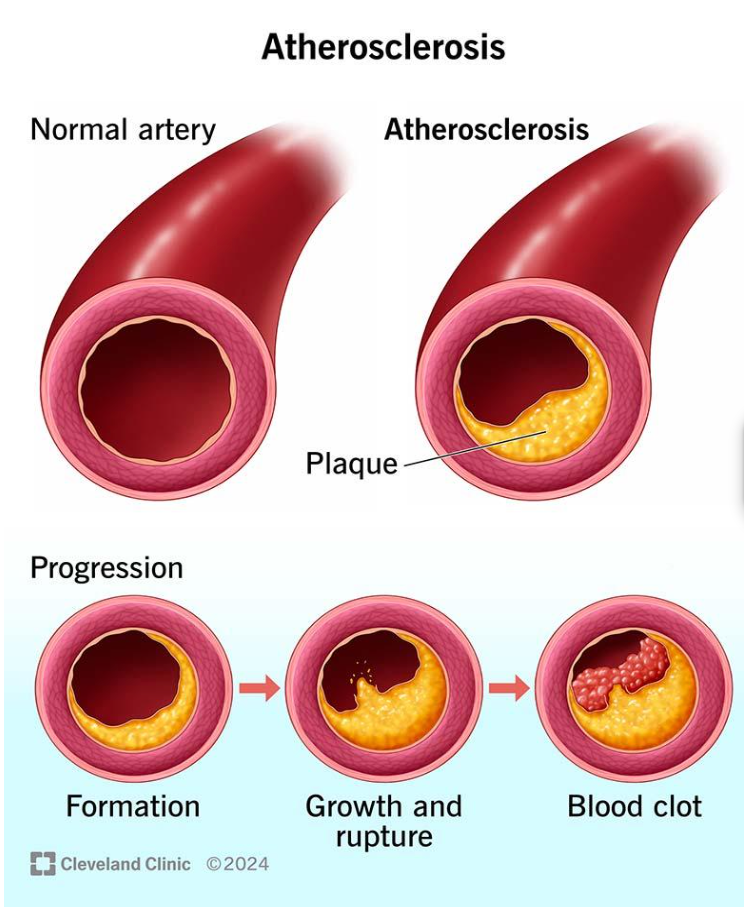
Atherosclerosis is routinely described as “clogged arteries.” That explanation is incomplete—and frankly misleading. It implies that cholesterol simply builds up like grease in a pipe. In reality, atherosclerosis is a chronic inflammatory disease of the vascular system, driven by damage to the arterial lining and the body’s attempt to repair it. The real starting point is endothelial dysfunction. The endothelium is the thin inner lining of your blood vessels responsible for regulating blood flow, preventing clotting, and controlling inflammation. When this layer is damaged—by metabolic stress, inflammation, toxins, or oxidative stress—it becomes permeable and dysfunctional. At that point, cholesterol is not the villain—it is part of the repair response. Low-density lipoprotein (LDL) particles move into the damaged arterial wall. The immune system responds. Macrophages attempt to clean up the damage, forming what are called “foam cells.” Over time, this process creates plaque. So plaque is not the cause—it is the result of ongoing injury and inflammation. This is why someone can have “normal cholesterol” and still develop cardiovascular disease. Standard labs often fail to detect early endothelial dysfunction, inflammatory burden, or metabolic instability. If you only look at cholesterol, you are looking at the smoke—not the fire. Conventional cardiology is heavily centered on cholesterol numbers. Lower LDL, reduce risk. While this approach can reduce statistical risk, it often fails to address the underlying drivers of vascular damage. Medications such as statins can lower cholesterol, but they do not inherently correct: In many cases, patients are told everything “looks fine” because their standard lipid panel is within range. Meanwhile, endothelial dysfunction and inflammatory processes continue silently. This creates a dangerous gap: risk is managed, but disease progression may not be stopped. A functional medicine approach shifts the focus from “How do we manage cholesterol?” to: Inflammation is the central driver of atherosclerosis. Cytokines and immune signaling molecules damage the arterial lining, making it more susceptible to plaque formation. This inflammation often originates from: Elevated glucose and insulin levels damage blood vessels through glycation—essentially “sugar coating” proteins and lipids. This stiffens arteries and accelerates plaque formation. Conditions like Type 2 Diabetes and metabolic syndrome are strongly linked to accelerated atherosclerosis. Free radicals damage both the endothelial lining and LDL particles. Oxidized LDL is far more inflammatory and more likely to contribute to plaque formation. This process is closely tied to mitochondrial dysfunction and poor cellular energy production. The gut plays a major role in cardiovascular health. Lipopolysaccharides (LPS), produced by certain gut bacteria, can enter circulation and drive systemic inflammation. Additionally, microbial metabolism of certain foods produces TMAO, a compound associated with increased cardiovascular risk. Conditions like Hashimoto’s Thyroiditis often coexist with cardiovascular risk. The vascular system depends on key nutrients: Deficiencies impair repair mechanisms and accelerate vascular damage. Atherosclerosis rarely occurs in isolation. It is typically part of a broader systemic breakdown involving: The key insight: atherosclerosis is not a standalone condition—it is a downstream consequence of systemic imbalance. Most patients do not experience chest pain until disease is advanced. Early warning signs are often subtle and dismissed: These are not random symptoms—they are indicators of declining vascular function. A deeper evaluation provides insight that standard labs miss: This approach allows us to identify drivers, not just risk markers. A whole-food, anti-inflammatory diet is foundational: Blood sugar stability is not optional—it is central to vascular health. Improving insulin sensitivity reduces vascular damage: Reducing endotoxin load and restoring microbial balance: Chronic stress directly impacts vascular tone and inflammation: Exercise is one of the most powerful tools for vascular repair: When you address the underlying drivers of atherosclerosis, the body shifts: This is the difference between managing disease and changing its trajectory. You should strongly consider a deeper evaluation if you: Those are not benign findings—they are early warning signs. Atherosclerosis is not just a diagnosis—it is a signal. A proper evaluation includes: At Naperville Integrated Wellness, we approach cardiovascular health differently. We don’t just chase numbers—we identify and correct the underlying dysfunction driving them. Atherosclerosis is not inevitable. If a proactive approach is what you are seeking, reach out to us today. 📞 630-210-8391Why Conventional Approaches Fall Short
“Why is the vascular system under stress in the first place?”The Root Causes of Atherosclerosis (Functional Medicine Lens)
 Chronic Inflammation
Blood Sugar & Insulin Resistance
Oxidative Stress
Gut Health & Microbiome Imbalance
Hormonal Imbalances
 Hormones regulate vascular tone, repair, and inflammation.
Nutrient Deficiencies
Chronic Conditions Strongly Linked to Atherosclerosis
Early Signs of Atherosclerosis Often Missed
Functional Medicine Testing for Atherosclerosis Risk
Natural & Functional Strategies to Reverse the Drivers
 Anti-Inflammatory Nutrition
Metabolic Repair
Gut Restoration
Targeted Nutrients
Stress & Nervous System Regulation
Movement as Medicine
Why Addressing Root Causes Changes Outcomes
Who Should Consider a Functional Evaluation
Next Steps: A Root-Cause Evaluation of Atherosclerosis
Schedule an Atherosclerosis Consultation in Naperville
But ignoring the root causes makes its progression almost certain.