
Naperville Integrated Wellness
NAPERVILLE'S TOP RATED LOCAL® FUNCTIONAL MEDICINE FACILITY

Natural Solutions for High Blood Pressure with Functional Medicine
High blood pressure—clinically known as hypertension—is one of the most common and overlooked drivers of chronic disease. Naperville Integrated Wellness offers natural solutions for high blood pressure with functional medicine. High blood pressure should not be overlooked and getting to the root of the problem is important. It’s often referred to as a “silent” condition because many individuals experience no obvious symptoms until significant damage has already occurred. Yet beneath the surface, elevated blood pressure places continuous strain on the cardiovascular system, accelerates vascular damage, and contributes to dysfunction across multiple organ systems. Learn more from Naperville Integrated Wellness on high blood pressure now.
High blood pressure extends far beyond the cardiovascular system, often reflecting deeper issues involving chronic inflammation, oxidative damage, metabolic dysfunction, and impaired vascular health. When these underlying imbalances persist, hypertension can gradually increase the risk of serious long-term conditions such as stroke, heart disease, kidney dysfunction, and cognitive decline. At Naperville Integrated Wellness, the focus is on understanding why blood pressure regulation has become disrupted in the first place. Through a functional medicine approach, factors such as stress physiology, nutrition, hormone balance, inflammation, environmental exposures, and metabolic health are evaluated together to uncover what may be contributing to elevated blood pressure. The goal is not simply to chase numbers, but to support the body’s natural ability to restore balance and improve long-term vascular wellness. Blood pressure reflects the force of blood pushing against arterial walls. When that pressure remains elevated over time, it creates mechanical stress and biological damage. From a functional medicine perspective, hypertension is rarely an isolated issue. It is often intertwined with: Chronic immune activation increases inflammatory cytokines, which can damage blood vessels and impair nitric oxide production—one of the body’s key mechanisms for regulating vascular tone. One of the biggest clinical challenges with hypertension is that it often presents without symptoms. Many individuals feel “fine” until the condition has progressed significantly. These symptoms are nonspecific, which is why routine monitoring is critical. In individuals with chronic inflammation or autoimmune activity, blood pressure dysregulation may fluctuate more dramatically due to: A functional medicine lens reframes hypertension from a “diagnosis” to a downstream effect of upstream dysfunction. Insulin resistance alone can increase sodium retention, activate the sympathetic nervous system, and stiffen blood vessels—directly contributing to elevated blood pressure. Inflammation damages the endothelium (inner lining of blood vessels), reducing elasticity and impairing normal blood pressure regulation. These factors contribute to oxidative stress and mitochondrial dysfunction—both central to cardiovascular disease. Genetics may predispose someone to hypertension, but lifestyle and environment determine expression. This is where functional medicine interventions have the most impact. A Mediterranean-style or anti-inflammatory diet consistently shows improvements in blood pressure and cardiovascular markers. Proper hydration supports: Dehydration can actually increase blood pressure through compensatory mechanisms. Chronic stress keeps the body in a sympathetic (“fight or flight”) state, elevating: Effective interventions include: Consistent movement improves: Both aerobic exercise and resistance training are beneficial. The key is consistency—not extremes. Poor sleep disrupts: Aim for: When used appropriately and based on clinical context: Supplementation should be individualized—not generalized. Reducing toxin exposure can significantly lower inflammatory burden: Left unmanaged, it increases risk for: The advantage of a functional medicine approach is early intervention. By addressing root causes, you don’t just stabilize blood pressure—you improve overall system function. This requires: There is no “set it and forget it” solution. At Naperville Integrated Wellness, evaluating hypertension goes far beyond a blood pressure cuff reading. A comprehensive assessment includes: From there, an individualized care plan is developed to address: This is not about chasing numbers—it’s about restoring physiology. High blood pressure is one of the most common yet misunderstood drivers of chronic disease. While conventional approaches often focus on symptom control, a functional medicine model looks deeper—identifying and addressing the underlying imbalances that lead to hypertension in the first place. Natural strategies—including nutrition, stress management, movement, sleep optimization, and targeted supplementation—can significantly improve blood pressure when applied correctly and consistently. More importantly, these strategies don’t just lower blood pressure—they improve overall health, reduce inflammation, and decrease the risk of chronic and autoimmune disease. If you are dealing with high blood pressure or related health concerns, it’s time to look beyond surface-level solutions. Schedule a consultation with our high blood pressure specialist at Naperville Integrated Wellness to develop a personalized, root-cause-driven plan for long-term cardiovascular and whole-body health.Lowering High Blood Pressure with Functional Medicine
Understanding High Blood Pressure in Chronic Conditions
 Long-term effects of high blood pressure include:
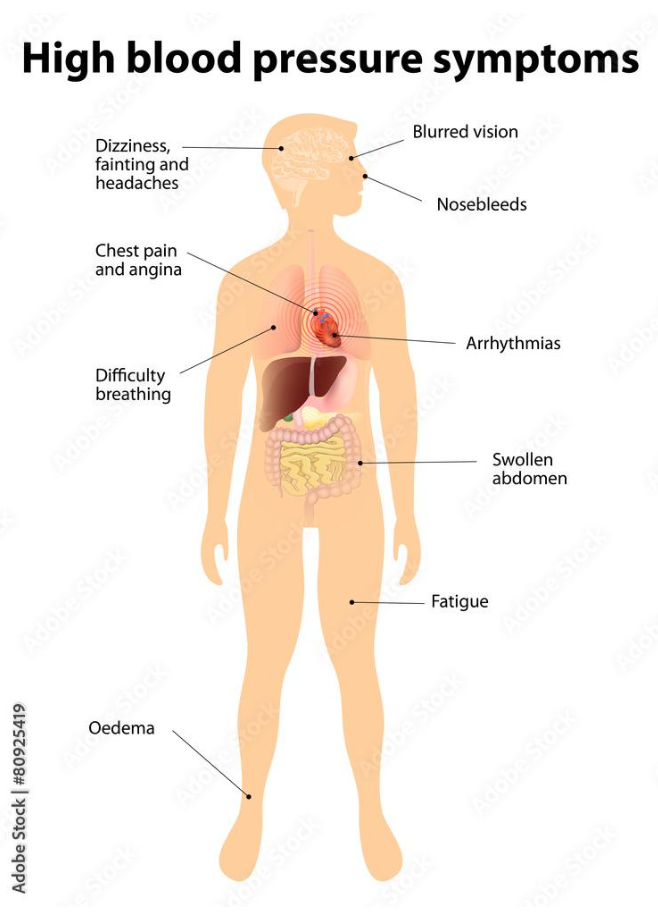
Signs and Symptoms of High Blood Pressure
When symptoms do occur, they may include:
Root Causes Explored in Functional Medicine
Natural and Functional Solutions for High Blood Pressure
 Addressing hypertension effectively requires a multi-system strategy.
Nutrition: Foundational and Non-Negotiable
Hydration: Often Overlooked
Stress Management: Regulating the Nervous System
Physical Activity: Medicine for the Cardiovascular System
Sleep Optimization: A Critical Regulator
Targeted Supplementation
Environmental Awareness
Preventing Long-Term Complications of High Blood Pressure
 Hypertension is not just about current numbers—it’s about trajectory.
Working with a High Blood Pressure Specialist In Naperville