
Naperville Integrated Wellness
NAPERVILLE'S TOP RATED LOCAL® FUNCTIONAL MEDICINE FACILITY

Hypoglycemia and Functional Medicine: Balancing Blood Sugar Naturally
A hypoglycemia specialist in Naperville helps identify the root causes behind low blood sugar symptoms like fatigue, shakiness, anxiety, cravings, dizziness, brain fog, and energy crashes. At Naperville Integrated Wellness, the functional medicine approach goes beyond temporary fixes by evaluating reactive and fasting hypoglycemia, hormone balance, thyroid health, metabolism, nutrition, gut function, and lifestyle factors to create personalized natural strategies for stabilizing blood sugar and supporting long-term wellness. Learn more from Dr. Sharon Borkowski on functional medicine and hypoglycemia.
Understanding the Bigger Picture Behind Hypoglycemia
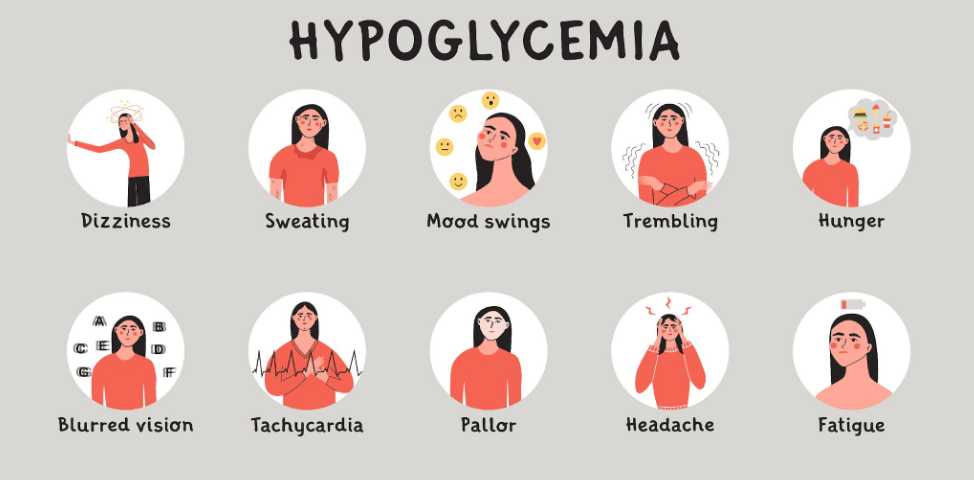
Hypoglycemia, commonly referred to as low blood sugar, is often misunderstood as simply “not eating enough sugar.” In reality, blood sugar instability can have widespread effects on nearly every system in the body — impacting energy production, metabolism, hormone balance, mood, weight regulation, cognitive function, and even skin health. Many individuals experiencing hypoglycemia report symptoms such as shakiness, fatigue, anxiety, irritability, dizziness, brain fog, headaches, cravings, or sudden energy crashes. Others may not realize their symptoms are connected to blood sugar at all. They may simply feel exhausted throughout the day, struggle with mood swings, have difficulty losing weight, or notice increasing hormonal or inflammatory symptoms. At Naperville Integrated Wellness, the functional medicine approach focuses on identifying why blood sugar dysregulation is occurring rather than simply masking symptoms. Instead of relying solely on temporary fixes like sugary snacks, stimulants, or quick carbohydrates, functional medicine seeks to uncover the root causes contributing to metabolic imbalance. Balanced blood sugar is foundational for stable energy, healthy hormone function, metabolic flexibility, and long-term wellness. Hypoglycemia occurs when blood glucose levels fall below the body’s optimal range. Glucose is the primary fuel source for the brain and many tissues throughout the body. When glucose levels drop too low, the body activates stress responses to compensate. Blood sugar regulation is tightly controlled through the interaction of several hormones, including: When this system becomes dysregulated, symptoms can begin to appear. A hypoglycemia specialist in Naperville for natural solutions focuses on identifying why blood sugar is dropping too low — whether from reactive hypoglycemia after meals, fasting hypoglycemia, hormonal imbalances, adrenal stress, poor metabolic function, or nutritional deficiencies — while using targeted nutrition plans, protein and meal timing strategies, blood sugar support nutrients, gut health optimization, and lifestyle interventions to reduce crashes, shakiness, fatigue, anxiety, cravings, dizziness, and unstable energy naturally. Reactive hypoglycemia occurs after eating due to rapid blood sugar spikes and insulin responses, while fasting hypoglycemia develops between meals or overnight from underlying metabolic, liver, or hormonal factors, with both placing ongoing stress on the body. Reactive hypoglycemia occurs after eating, typically within a few hours of a meal. This often happens when blood sugar rises rapidly from refined carbohydrates or sugar intake, followed by an exaggerated insulin response that drives glucose too low. Common triggers include: Fasting hypoglycemia occurs when blood sugar drops between meals or overnight. This can be associated with: Both forms can contribute to chronic stress on the body if not properly addressed. Blood sugar instability rarely occurs in isolation. Functional medicine recognizes that hypoglycemia is often a downstream effect of deeper metabolic or hormonal imbalances. Modern dietary habits play a major role in blood sugar dysregulation. Diets high in refined carbohydrates and sugar can create repeated glucose spikes and crashes. Additional contributors include: These patterns can place ongoing stress on the adrenal glands and metabolic system. The thyroid plays a critical role in metabolic regulation and glucose utilization. Individuals with hypothyroidism or suboptimal thyroid function may experience impaired glucose regulation due to slower metabolic activity. Low thyroid function can contribute to: Conversely, unstable blood sugar itself may place additional stress on thyroid regulation through elevated cortisol and inflammatory signaling. Hypoglycemia may also develop in individuals with: In some cases, diabetes medications or insulin dosing issues may contribute to blood sugar crashes. Functional medicine also considers how chronic physiological stress can affect blood sugar regulation over time. The liver is essential for maintaining stable blood sugar levels. It stores glycogen and releases glucose between meals when needed. If liver function becomes compromised, glycogen storage and glucose regulation may suffer. Digestive dysfunction may also contribute through: An unhealthy gut environment can increase systemic inflammation and negatively impact metabolic signaling. Stress hormones such as cortisol and adrenaline directly influence blood sugar regulation. Chronic stress may: Over time, chronic activation of the stress response may leave individuals feeling simultaneously exhausted and dependent on sugar or caffeine for energy. Symptoms can vary in intensity depending on the severity and duration of blood sugar instability. Common symptoms include: Many individuals also experience intense cravings for sugar or carbohydrates as the body attempts to quickly restore glucose levels. Blood sugar instability can contribute to inflammatory skin changes and accelerated aging. Potential skin-related symptoms include: Hormonal fluctuations, inflammation, and insulin dysregulation may all contribute to these issues. Hypoglycemia can make weight management extremely difficult. Frequent glucose crashes often lead to: Chronically elevated insulin levels may also promote abdominal weight gain and worsen insulin resistance over time. Functional medicine recognizes that blood sugar instability affects far more than energy levels. Low blood sugar and chronic cortisol elevation can interfere with thyroid hormone signaling and conversion. This may worsen symptoms such as: In some cases, hypoglycemia may mask deeper thyroid dysfunction that requires further evaluation. When blood sugar fluctuates constantly, the body often shifts into a stress-response state. This can: Stable blood sugar is one of the foundational principles for sustainable weight management. Blood sugar instability influences hormonal pathways that affect the skin. Elevated insulin and inflammation may contribute to: Supporting blood sugar balance may help reduce inflammatory burden on the skin. Repeated blood sugar crashes can eventually contribute to: Over time, the body may lose metabolic flexibility, increasing the risk for chronic disease development. At Naperville Integrated Wellness, functional medicine focuses on identifying and addressing the underlying drivers of blood sugar instability. Rather than simply treating symptoms, the goal is to evaluate the body as an interconnected system. A functional medicine evaluation may include: Detailed health history and symptom patterns also help uncover contributing lifestyle and metabolic factors. Functional medicine practitioners evaluate multiple interconnected systems, including: This broader systems-based perspective allows for a more individualized treatment plan. Functional medicine addresses blood sugar imbalance through personalized nutrition, lifestyle support, supplementation, gut health, hormonal balance, and environmental awareness to improve metabolic stability. At Naperville Integrated Wellness, care focuses on uncovering root causes behind fatigue, cravings, weight changes, and energy crashes to support balanced hormones, steady energy, and long-term wellness naturally. Helpful nutritional strategies may include: Balanced meals help reduce glucose spikes and support more stable energy. Lifestyle habits strongly influence blood sugar regulation. Key strategies include: Sleep deprivation and chronic stress alone can significantly worsen insulin and cortisol regulation. Functional medicine may utilize targeted supplementation when appropriate. Common nutrients used to support blood sugar balance include: These nutrients may support insulin sensitivity, energy production, stress resilience, and metabolic health. Gut health plays a major role in inflammation and metabolic signaling. Supporting the microbiome may involve: Improved digestion and nutrient absorption may help support more stable blood sugar regulation. Optimizing thyroid function and hormonal balance is often essential for long-term metabolic stability. When thyroid function becomes impaired, metabolism, energy production, and glucose regulation may all decline. Addressing underlying hormonal imbalances can help support: Environmental toxins and endocrine-disrupting chemicals may interfere with hormone signaling and glucose regulation. Reducing toxic burden may include minimizing exposure to: Functional medicine recognizes that cumulative toxic stress may contribute to chronic metabolic dysfunction. Addressing blood sugar imbalance early may help reduce the risk of: The goal is not temporary symptom management, but long-term metabolic resilience. Functional medicine emphasizes personalized care designed to restore balance and improve overall health from the inside out. Hypoglycemia is more than occasional hunger or fatigue. Blood sugar instability can influence energy, mood, thyroid function, weight management, skin health, and long-term metabolic wellness. Rather than masking symptoms with sugar, caffeine, or temporary fixes, functional medicine focuses on identifying and correcting the underlying causes contributing to blood sugar dysregulation. At Naperville Integrated Wellness, the goal is to help patients uncover the root causes behind metabolic dysfunction and develop individualized strategies to support stable energy, balanced hormones, improved metabolism, and long-term wellness naturally. If you are struggling with fatigue, cravings, energy crashes, weight concerns, thyroid issues, or symptoms related to blood sugar imbalance, schedule a consultation to develop a personalized plan for restoring metabolic balance and supporting long-term health naturally.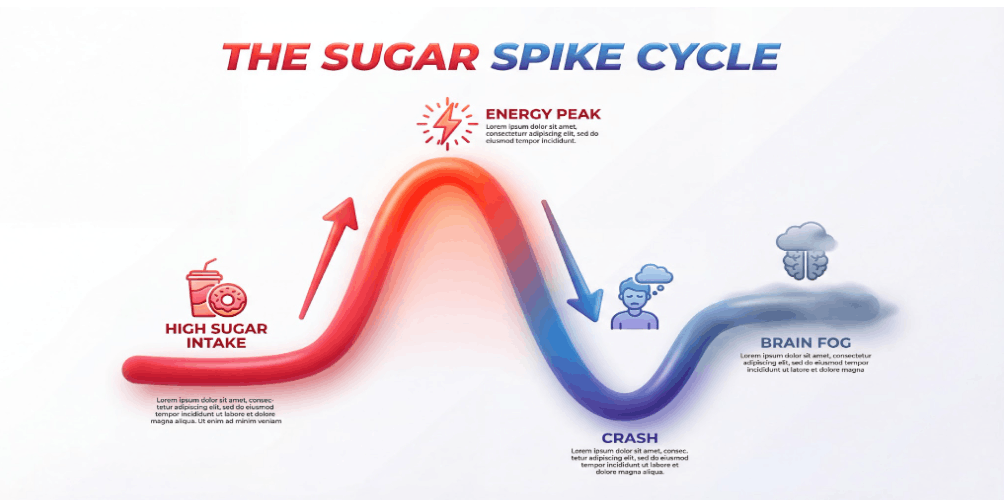
What Is Hypoglycemia?
What Is A Hypoglycemia Specialist For Natural Solutions
Reactive Hypoglycemia vs. Fasting Hypoglycemia
Reactive Hypoglycemia
Fasting Hypoglycemia
Causes of Hypoglycemia
Diet and Lifestyle Factors
Thyroid Dysfunction and Metabolic Slowdown
Chronic Hypoglycemia and Medication Effects
Liver and Digestive Imbalances
Stress and Hormonal Imbalances
Symptoms of Low Blood Sugar
Skin Changes and Inflammation
Weight Fluctuations and Metabolic Dysfunction

The Connection Between Hypoglycemia and Chronic Conditions
Thyroid Health
Weight Management Challenges
Skin Health and Hormones
Long-Term Metabolic Effects
The Functional Medicine Approach to Hypoglycemia
Comprehensive Assessment
Identifying Root Causes
Natural Solutions for Balancing Blood Sugar
Nutrition Strategies
 One of the most important steps in stabilizing blood sugar is creating balanced meals that slow glucose fluctuations.
Lifestyle Support
Targeted Supplement Support
Gut Health Support
Thyroid and Hormonal Support
Environmental Awareness
Prevention and Long-Term Health
Schedule A Hypoglycemia Specialist Consultation in Naperville